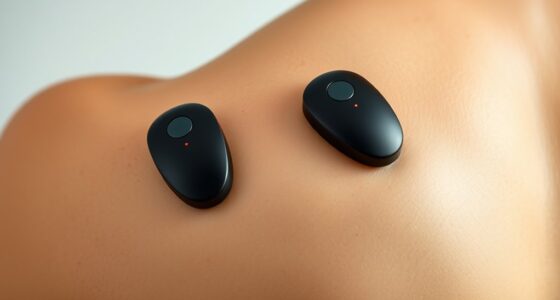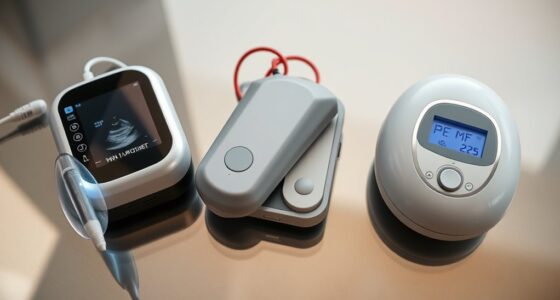

Using a home ultrasound device for tendonitis isn’t likely to completely heal your injury on its own. Professional therapy involves specific settings, protocols, and expert guidance that guarantee safety and effectiveness. While home devices can offer some relief, they rarely match the results of clinical treatments. To get the best chance of recovery, it’s important to follow proper procedures and consult with a healthcare professional. Keep exploring to learn more about safe and effective treatment options.
Key Takeaways
- Professional ultrasound therapy is more effective than home devices due to precise settings and application techniques.
- Home ultrasound devices may offer limited benefits and are less proven for healing tendonitis.
- Proper technique, duration, and frequency are essential for any ultrasound treatment to be effective.
- Consulting a healthcare professional before using home ultrasound ensures safe and appropriate treatment.
- Ultrasound alone is unlikely to fully heal tendon injuries; it should be part of a comprehensive treatment plan.

If you’re dealing with tendonitis, ultrasound therapy can be a helpful treatment option. Many people explore ultrasound because it offers a non-invasive way to promote healing and reduce pain. While traditional treatments like rest, ice, and anti-inflammatory medications are common, some turn to alternative therapies to accelerate recovery or avoid medications altogether. Ultrasound is often included in these alternative approaches, especially when combined with other treatment protocols designed to target inflammation and tissue repair.
Using ultrasound for tendonitis involves applying high-frequency sound waves to the affected area. These waves penetrate deep into the tissues, stimulating blood flow and encouraging the body’s natural healing processes. It’s important to note that, although ultrasound is widely used in clinical settings, home ultrasound devices are becoming more popular. However, they come with limitations. Professional treatment protocols typically involve specific settings and durations that guarantee safety and effectiveness, which may be difficult to replicate with over-the-counter devices. If you’re considering using a home ultrasound device, it’s imperative to follow manufacturer instructions carefully and consult with a healthcare professional to guarantee you’re using it correctly.
Home ultrasound devices have limitations; always follow instructions and consult a healthcare professional for safe use.
Many treatment protocols incorporate ultrasound as part of a holistic plan for managing tendonitis. These protocols often combine ultrasound with other therapies, such as stretching, strengthening exercises, and manual therapy, to maximize healing. In some cases, physical therapists or sports medicine specialists develop personalized treatment plans that include ultrasound sessions, tailored to your injury’s severity and location. This integrated approach not only targets pain relief but also aims to restore function and prevent future injuries.
While ultrasound can be a valuable component of a broader treatment protocol, it’s not a standalone cure for tendonitis. Its effectiveness depends on proper application, correct settings, and adherence to a structured plan designed by healthcare providers. For home use, it’s essential to understand that self-administered ultrasound may not provide the same benefits as professional therapy, especially if used improperly. As with any treatment, it’s best to discuss your options with a healthcare professional who can guide you through safe and effective alternatives or adjuncts to conventional care. Additionally, understanding the proper application techniques and limitations of ultrasound can help you make informed decisions about your recovery.
Frequently Asked Questions
Is Home Ultrasound Safe for All Tendonitis Types?
Home ultrasound safety varies depending on the tendonitis types you’re dealing with. While it’s generally safe for mild cases, not all tendonitis types respond well to home ultrasound, especially if there’s severe inflammation or rupture risk. You should consult your healthcare provider before using home ultrasound devices, as they can advise whether it’s appropriate for your specific condition and ensure you use it safely to avoid further injury.
How Often Should I Use Home Ultrasound Devices?
You should use your home ultrasound device about 3-4 times a week for ideal tendon healing. Don’t worry about overdoing it—most therapy schedules are safe if you follow the manufacturer’s guidelines. Consistent use helps facilitate better blood flow and promote healing, but avoid excessive sessions. Keeping a regular therapy frequency ensures you get the best results without risking irritation or setbacks in your tendon recovery.
Can Ultrasound Prevent Future Tendon Injuries?
Using ultrasound can support tendon healing and may help in injury prevention by promoting blood flow and reducing inflammation. While it’s not a guaranteed method to prevent future injuries, regular at-home ultrasound treatments can strengthen tendons over time. You should combine this with proper stretching, strengthening exercises, and rest to maximize your injury prevention efforts and maintain healthy tendons for the long term.
Are There Any Risks of Overusing Ultrasound Therapy?
While ultrasound therapy can be effective, overusing it might lead to less-than-ideal results. You should be cautious, as excessive treatment could diminish the device’s safety and treatment effectiveness. Using ultrasound too often may cause skin irritation or tissue discomfort. To get the best results, follow recommended guidelines, and consult a healthcare professional to make sure you’re using the device safely and effectively.
Does Ultrasound Therapy Require a Prescription or Medical Supervision?
You usually need a prescription or medical supervision for ultrasound therapy, especially when it’s used for treating injuries like tendonitis. While home ultrasound devices exist as treatment alternatives, their therapy effectiveness varies, and improper use can cause harm. To guarantee safe and effective healing, it’s best to consult a healthcare professional before starting ultrasound treatment, whether at home or in a clinical setting.
Conclusion
So, imagine wielding your own ultrasound device and banishing tendon pain forever! While home ultrasound might seem like a miracle cure, don’t be fooled—it’s not a magic wand. Pushing too hard or misusing it could make things worse. Instead, see a healthcare pro for proper treatment. Don’t let tendonitis rule your life—take control wisely, because the power to heal is in your hands!