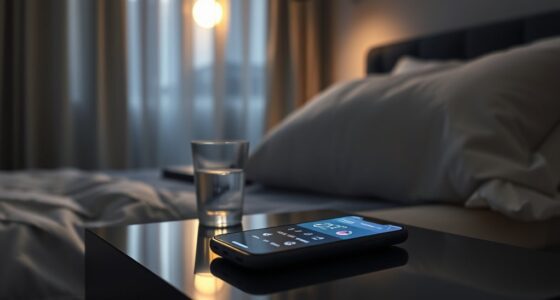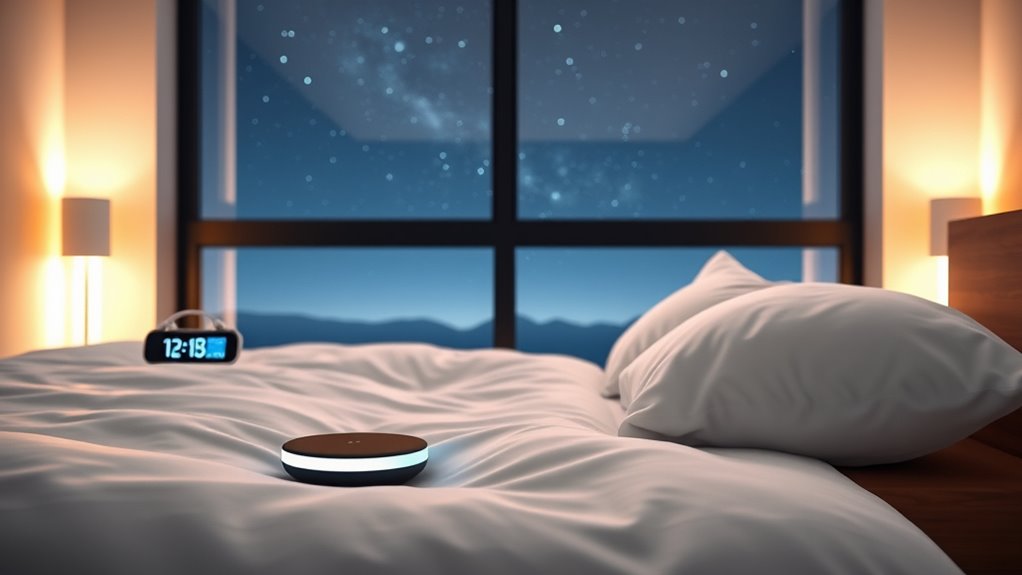
Sleep trackers can help improve your sleep quality by providing insights into your sleep patterns and habits. They monitor movements, heart rate, and other signals to identify sleep stages and disruptions. While they can motivate behavioral changes like adjusting routines and environment, their accuracy varies and they may have limitations. If you want to learn how to use this data effectively and understand their full potential, keep exploring these features and trends.

Get wellness gear delivered free — and shop member deals
- Fast, free delivery on millions of items
- Access to Prime Big Deal Days deals on October 6–7
- Prime Video, Amazon Music and more included
Key Takeaways
- Sleep trackers provide insights into sleep patterns and disturbances, enabling targeted behavioral adjustments for better sleep quality.
- They monitor sleep stages and cycles, helping users identify irregularities and optimize their sleep routines.
- Data from trackers can motivate lifestyle changes like consistent schedules and improved sleep hygiene practices.
- Accuracy varies; while consumer devices offer useful trends, they are less precise than clinical tools, affecting reliability.
- Ongoing advancements in technology and personalized feedback enhance the potential of sleep trackers to improve sleep over time.
best sleep tracker for accurate sleep monitoring
As an affiliate, we earn on qualifying purchases.
As an affiliate, we earn on qualifying purchases.
How Do Sleep Trackers Work?
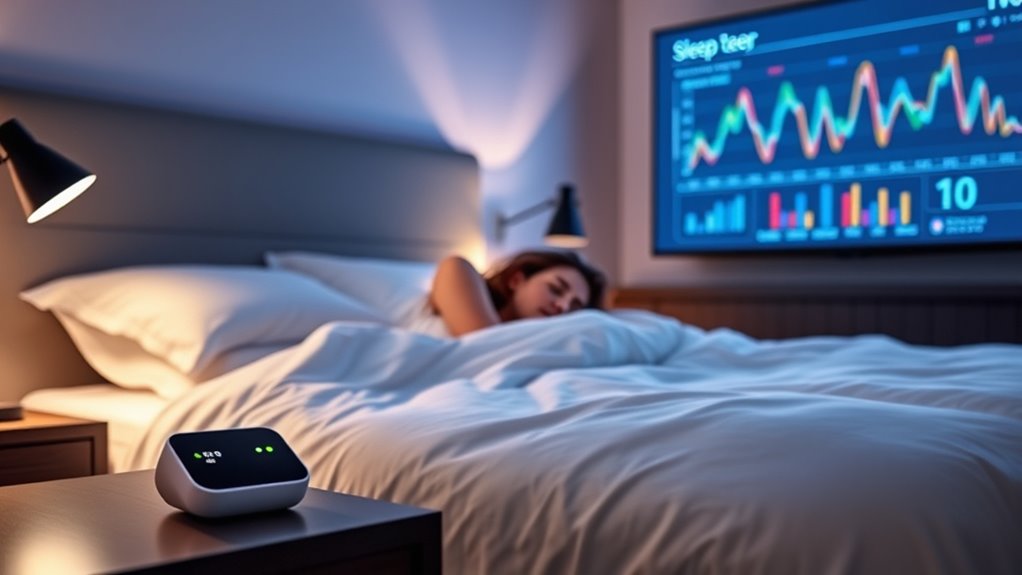
Sleep trackers work by monitoring your body movements, heart rate, and sometimes even breathing patterns while you sleep. These devices use sensors to collect data throughout the night, giving insight into your sleep cycle. As you move or stay still, the sensors detect these changes, helping to determine whether you’re in light, deep, or REM sleep. Some trackers also analyze heart rate variability to refine this understanding. The device’s sensors gather continuous information, which is then processed by algorithms to identify different stages of sleep. This process provides a detailed picture of your sleep patterns, making it easier for you to track changes over time. Additionally, understanding how sleep monitoring sensors function can help you better interpret the data and improve your sleep habits. Recognizing the importance of accurate data collection can lead to more effective sleep improvements. Moreover, advancements in sensor technology continue to enhance the precision of these devices, providing more reliable insights. For example, some newer models incorporate multi-sensor arrays that combine multiple data sources for even greater accuracy. These sensor innovations are designed to adapt to different sleep environments and individual needs, further improving the usefulness of the data. Ultimately, these sensors are the foundation for understanding your sleep quality and identifying areas for improvement.
wearable sleep monitor with heart rate sensors
As an affiliate, we earn on qualifying purchases.
As an affiliate, we earn on qualifying purchases.
The Accuracy of Sleep Data: What Can You Trust?

While sleep trackers gather detailed data about your movements and essential signs, the accuracy of this information can vary. Many devices rely on accelerometers and heart rate sensors, which provide estimates of your sleep quality and stages. However, factors like your sleep environment—noise, light, and temperature—can influence data precision. If your sleep environment isn’t ideal, the device might misinterpret restlessness or wakefulness, leading to skewed results. Keep in mind that consumer-grade sleep trackers aren’t as reliable as clinical equipment. While they offer useful trends and insights, don’t rely solely on their data to assess your sleep health. Use them as a general guide, but consider other factors and professional advice to truly understand your sleep quality. Additionally, data accuracy can be affected by device calibration and user behavior, so interpreting results with caution is important. Recognizing the limitations of consumer devices helps set realistic expectations for their usefulness. Moreover, sensor technology differences among devices can also impact how accurately your sleep patterns are recorded. Staying informed about sleep tracking technology can help you choose the most appropriate device for your needs. Being aware of how user habits influence data collection can further improve your understanding of your sleep data.
sleep tracking device for sleep cycle analysis
As an affiliate, we earn on qualifying purchases.
As an affiliate, we earn on qualifying purchases.
Benefits of Monitoring Your Sleep Patterns
Monitoring your sleep patterns helps you spot disruptions that might affect your rest. It also tracks how long you sleep each night and reveals recurring sleep habits. With this information, you can make targeted changes to improve your overall sleep quality. Additionally, understanding your unique sleep needs allows you to tailor your routine for better health and wellness. Being aware of air quality’s impact on sleep can further optimize your environment for restorative rest. Recognizing how sleep tracking technology functions can help you choose the most effective tools for your needs. Incorporating environmental factors into your analysis can provide a more comprehensive view of your sleep health. Understanding sleep science principles can empower you to interpret your data more effectively.
Detects Sleep Disruptions
Since disruptions during the night can go unnoticed, sleep trackers help you identify when your sleep is being interrupted. If you have sleep apnea or restless legs, these interruptions might be subtle but impactful, leaving you tired during the day. Sleep trackers monitor your movement and breathing patterns, alerting you to irregularities that suggest disruptions. Recognizing these issues early can lead to discussions with healthcare professionals and targeted treatments. By pinpointing exactly when and how often your sleep is interrupted, you gain insight into underlying conditions affecting your rest. This awareness is vital for improving overall sleep quality. Tracking disruptions allows you to address specific problems rather than just guessing why you’re tired, making your efforts to sleep better more effective. Understanding sleep disruptions can help you take proactive steps toward better sleep health. Additionally, some devices use advanced algorithms to differentiate between various types of disturbances, providing more detailed insights and personalized recommendations for improving sleep. Knowing about sleep disturbance patterns can also help you implement lifestyle changes that promote better rest.
Tracks Sleep Duration
By tracking your sleep duration, you gain a clear picture of how much rest you’re actually getting each night. This helps you identify if you’re meeting recommended sleep hours, which directly impacts your sleep quality and understanding of sleep stages. Knowing whether you’re consistently getting enough sleep allows you to make adjustments for better rest. Imagine your sleep data like this:
| Sleep Duration | Sleep Quality | Sleep Stages |
|---|---|---|
| 6 hours | Restless | Shallow |
| 7 hours | Good | Deep |
| 8 hours | Excellent | REM |
Monitoring these patterns helps you see trends, like if you’re losing sleep on weeknights or improving over time. With accurate tracking, you can optimize your sleep habits for overall better health. Recognizing passive voice can further enhance the clarity and effectiveness of your writing. Additionally, some sleep trackers incorporate sleep environment data, such as room temperature and noise levels, which can influence your sleep quality. It is also beneficial to consider how external factors like light exposure impact your sleep patterns. Understanding sleep hygiene practices can further improve your sleep quality and overall well-being, especially when you are aware of how external factors influence your sleep.
Identifies Sleep Patterns
Tracking your sleep patterns reveals recurring habits and irregularities that might otherwise go unnoticed. With this insight, you can identify factors affecting your sleep, such as disruptions caused by your sleep environment or unusual sleep stages. Sleep trackers record data that can assist with dream analysis, helping you recognize patterns in dreams linked to sleep quality. By understanding these patterns, you can make targeted adjustments, like improving your sleep environment—reducing noise or light—to promote better rest. Recognizing irregular sleep cycles or frequent awakenings allows you to address underlying issues more effectively. Monitoring your sleep patterns detects passive voice, transforming raw data into actionable insights, empowering you to optimize your sleep routine, enhance overall sleep quality, and feel more refreshed during the day.
sleep tracker with sleep stage detection
As an affiliate, we earn on qualifying purchases.
As an affiliate, we earn on qualifying purchases.
Common Limitations and Challenges of Sleep Devices

While sleep devices can offer useful insights, their accuracy and data reliability often vary. You might find that the information they provide isn’t always precise or consistent. Additionally, staying compliant with device usage can be challenging, which affects the overall usefulness of the data collected.
Accuracy and Data Reliability
Despite their popularity, sleep trackers often face significant limitations when it comes to accuracy and data reliability. You might find that the data they provide isn’t always precise due to factors like device calibration issues or sensor limitations. Common problems include:
- Variability in sleep stage detection accuracy
- Inconsistent measurements across different devices
- Sensitivity to movement, leading to false readings
- Concerns over data privacy, especially with cloud storage
These issues can cause you to question the validity of your sleep data. Devices that aren’t properly calibrated may record inaccurate information, and inconsistent data can hinder effective sleep analysis. Plus, you should stay aware of potential data privacy risks, as sensitive health data might be vulnerable if not securely handled.
User Compliance Challenges
User compliance remains a significant challenge for sleep devices because many users find it difficult to consistently wear or interact with them as recommended. Your motivation can wane, especially if the device feels uncomfortable or complicated to use. Poor device usability often leads to skipped nights or inaccurate data, undermining the device’s benefits. To illustrate, consider this:
| Challenge | Impact |
|---|---|
| Discomfort during wear | Reduced adherence, inconsistent data |
| Complex interfaces | Frustration, decreased motivation |
| Forgetting to wear it | Gaps in tracking, unreliable insights |
| Battery life issues | Interruptions, skipped nights |
| Lack of feedback | Discouragement, lower user engagement |
Addressing these issues improves user motivation and ensures better compliance, making sleep trackers more effective.
Using Data to Make Sleep Improvements
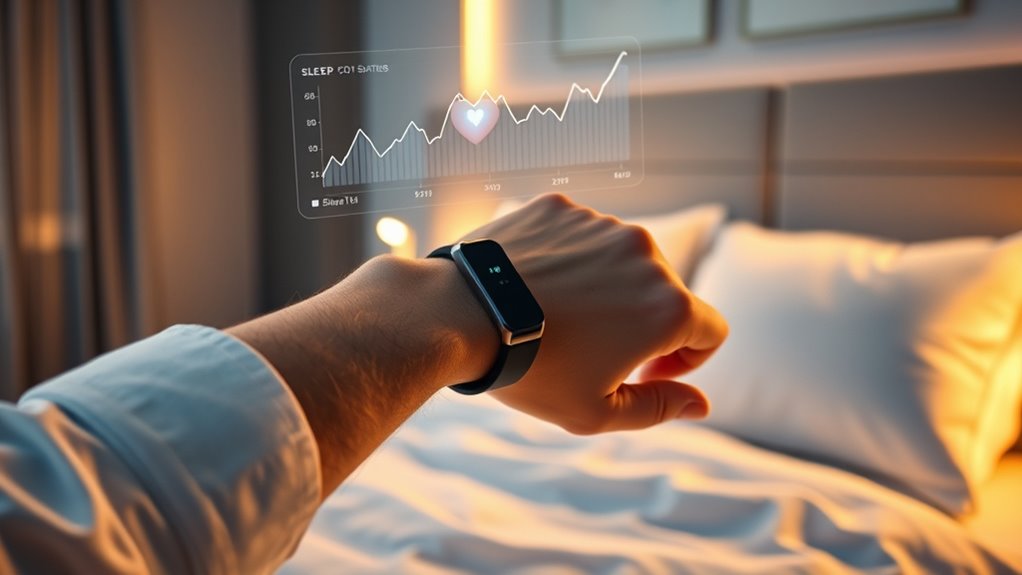
By analyzing the data from your sleep tracker, you can identify patterns and habits that affect your sleep quality. Focus on your sleep cycle, noting periods of deep sleep and REM stages, which influence how rested you feel. Dream analysis can reveal stress or emotional issues impacting rest. Use this data to:
Analyzing sleep data reveals patterns that improve rest and overall sleep quality.
- Adjust your bedtime to optimize sleep cycles
- Reduce activities that disrupt REM sleep
- Recognize times when stress affects dreams and sleep quality
- Implement routines that promote consistent sleep patterns
Tracking these factors helps you pinpoint what improves or hinders your sleep. Over time, this insight allows you to make targeted changes, enhancing overall sleep quality and ensuring you wake up refreshed and ready for the day.
Behavioral Changes Inspired by Sleep Tracking
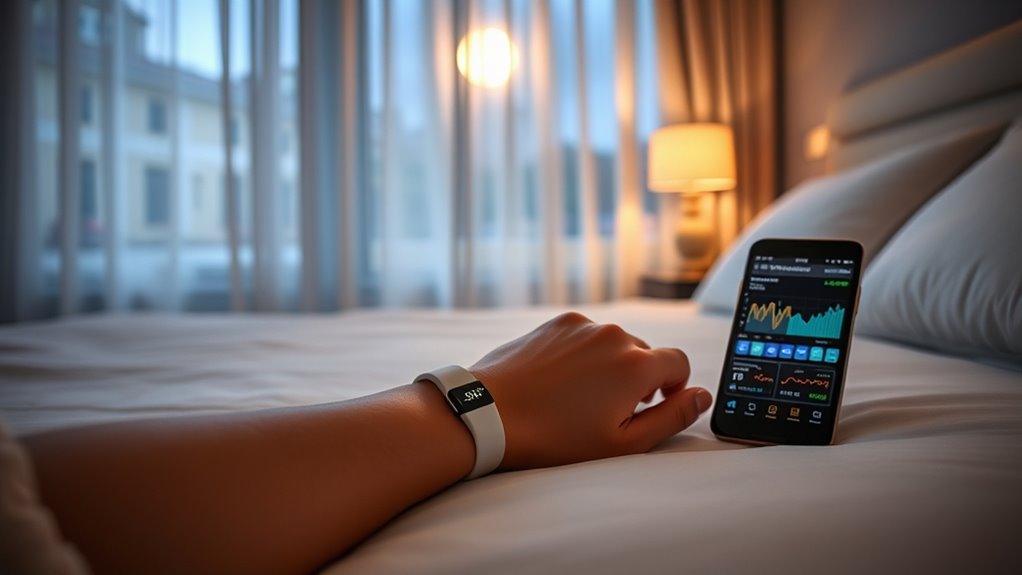
Analyzing your sleep data often reveals specific behaviors that can be adjusted to improve sleep quality. You might notice patterns like late-night screen time or inconsistent bedtimes that disrupt your sleep hygiene. Recognizing these habits encourages you to establish a more consistent sleep schedule and create a calming pre-sleep routine. Incorporating relaxation techniques such as deep breathing, meditation, or gentle stretches can further enhance your sleep hygiene by reducing stress and preparing your body for rest. Sleep tracking provides concrete feedback, motivating you to make targeted behavioral changes. As you adjust your habits based on data insights, you may find it easier to fall asleep faster and enjoy more restorative sleep. Small improvements inspired by your tracking can have a significant impact over time.
Comparing Sleep Trackers to Traditional Methods
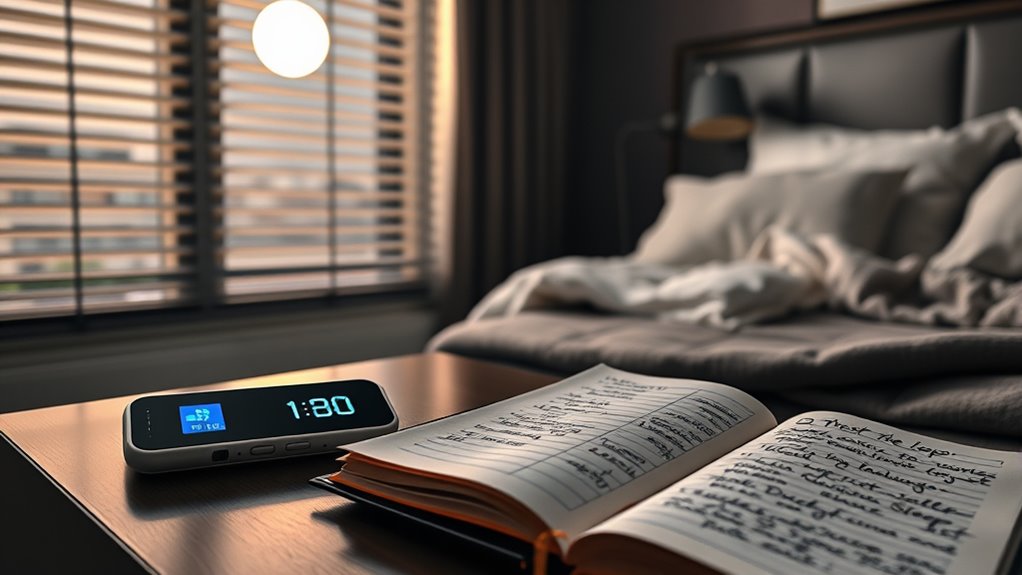
While traditional methods like sleep diaries and questionnaires have long been used to assess sleep quality, sleep trackers offer a more objective and continuous way to monitor your sleep patterns. They provide real-time data on your sleep duration, efficiency, and disruptions, unlike self-reports which can be biased or inaccurate. When comparing the two, consider these points:
- Sleep trackers automatically record data, reducing manual effort.
- They can identify patterns related to your bedtime routines and sleep environment.
- Unlike questionnaires, they offer detailed insights over multiple nights.
- They help pinpoint factors affecting sleep quality, enabling targeted improvements.
While traditional methods rely on memory and perception, trackers give precise, ongoing feedback—helping you better understand how your environment and habits influence your sleep.
Are Sleep Trackers Suitable for Everyone?
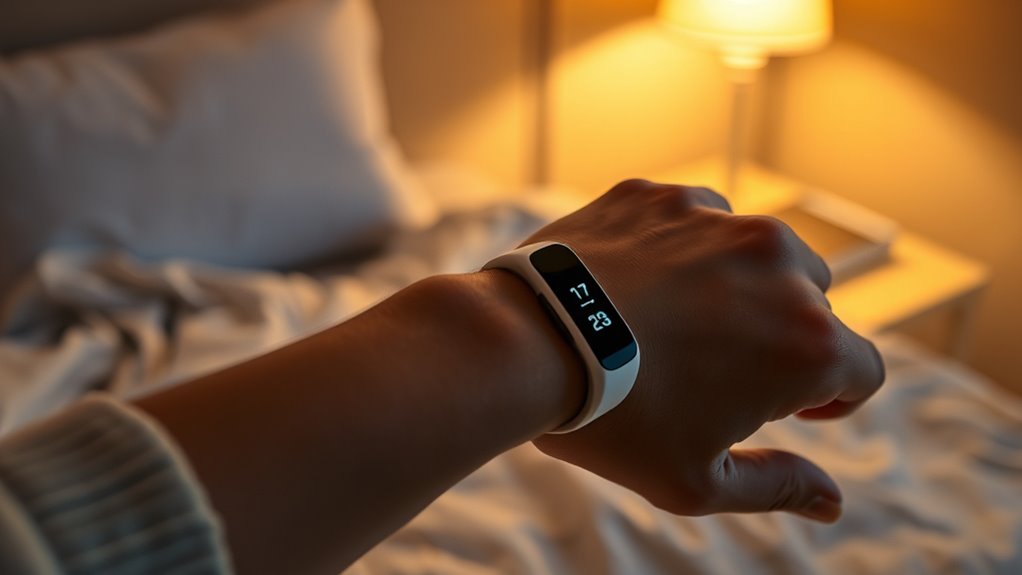
Sleep trackers can be helpful tools for many people, but they aren’t suitable for everyone. If you suffer from sleep deprivation or have a diagnosed sleep disorder, relying solely on a tracker might not address underlying issues. For some, constant monitoring can increase anxiety about sleep, worsening the problem. Others may find the data confusing or inaccurate, leading to frustration. The table below highlights who benefits most from sleep trackers:
| Person Type | Benefit | Caution |
|---|---|---|
| Healthy sleepers | Track trends, improve habits | Over-reliance may cause anxiety |
| Sleep deprivation | Identify patterns, adjust routines | Might overlook underlying health issues |
| Sleep disorder patients | Monitor symptoms, communicate with doctors | Not a substitute for clinical diagnosis |
| Elderly users | Track sleep quality | May struggle with technology |
| People with anxiety | Gain awareness, reduce stress | Increased worry could worsen sleep |
Future Trends and Innovations in Sleep Technology
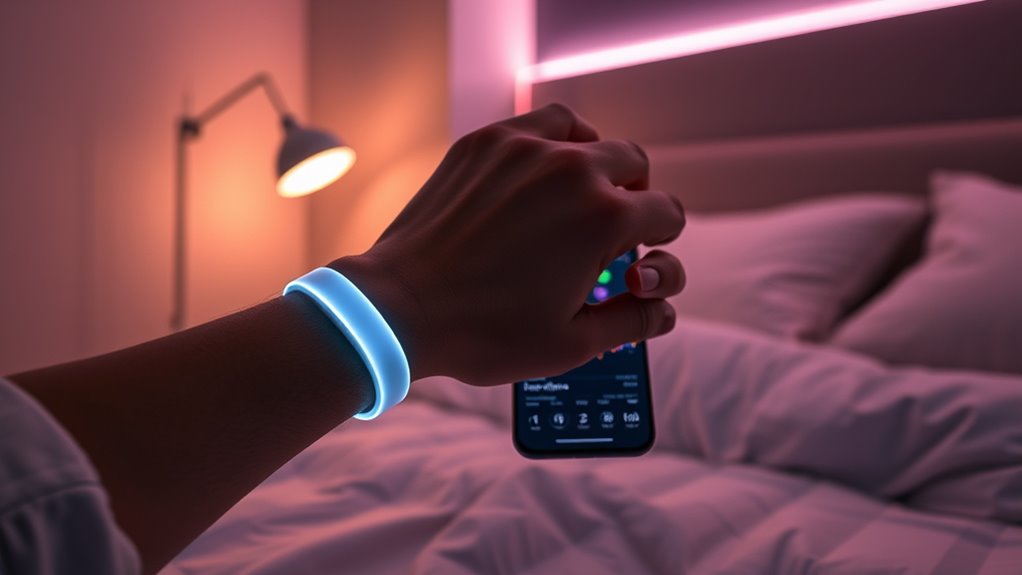
Advancements in sleep technology are paving the way for more personalized and effective solutions to improve sleep quality. Future innovations include smarter wearable devices that analyze sleep architecture in real-time, providing tailored feedback. These devices will increasingly incorporate AI to identify patterns and suggest improvements. Expect improvements like:
Sleep tech is becoming smarter, more personalized, and more accurate for better rest.
- Enhanced accuracy in tracking sleep stages and structure
- Integration with health apps for holistic wellness insights
- Development of non-invasive sensors for continuous monitoring
- Personalized sleep coaching based on individual data
These advancements will help you better understand your sleep cycles and address issues more precisely. As technology evolves, sleep devices will become more intuitive, offering proactive solutions for better rest and overall health. You’re poised to experience more effective and customized sleep support than ever before.
Frequently Asked Questions
Do Sleep Trackers Help With Insomnia or Sleep Disorders?
Sleep trackers can help with insomnia and sleep disorders by giving you insights into your sleep patterns. They encourage better sleep hygiene and highlight areas for lifestyle changes, like reducing screen time before bed or managing stress. While they aren’t a cure, using a tracker can motivate you to adopt healthier habits, making it easier to improve your sleep quality over time. Always consult a healthcare professional for persistent issues.
Can Sleep Trackers Replace Professional Sleep Assessments?
Think of sleep trackers as a helpful compass, but not a GPS for your full journey. They can give you insights into your sleep quality, but their device accuracy isn’t always perfect. You shouldn’t rely solely on them to replace professional sleep assessments, as a sleep expert offers personalized analysis and diagnosis that a device can’t match. For the best results, use sleep trackers as a guide, not a definitive map.
How Do Different Sleep Tracker Brands Compare in Effectiveness?
Different sleep tracker brands vary in effectiveness due to wearable accuracy and brand reliability. Some brands, like Fitbit and Garmin, offer reliable data and user-friendly features, making them more effective for tracking sleep patterns. Others may lack precision or consistent performance. To get the best results, choose a reputable brand known for accurate wearable sensors and consistent performance, ensuring your sleep insights are trustworthy and helpful for improving your sleep quality.
Are There Privacy Concerns With Sleep Tracking Data?
Yes, there are privacy concerns with sleep tracking data. You should check if the device uses strong data encryption to protect your information and guarantee your data remains confidential. Additionally, look for brands that prioritize user anonymity, limiting data sharing with third parties. Staying informed about privacy policies helps you control your sleep data and minimizes risks of unauthorized access or misuse.
What Is the Cost-Benefit Ratio of Investing in a Sleep Tracker?
Investing in a sleep tracker offers a balanced cost analysis and potential boosts in user satisfaction. You weigh the device’s price against benefits like improved sleep awareness and healthier habits. If you value data-driven insights and are committed to better sleep, the benefits often outweigh the costs. However, if you’re skeptical about accuracy or privacy concerns, the cost-benefit ratio might lean less favorably, guiding your decision wisely.
Conclusion
Just like Icarus reaching for the sun, chasing perfect sleep with a tracker can lift you higher, but beware of overreliance. These devices offer valuable insights, yet they’re not infallible—like a compass that sometimes leads astray. Use sleep trackers as a guide, not a guarantee, and combine their data with healthy habits. In doing so, you’ll navigate your sleep journey wisely, aiming for the stars without risking a fall.
Fall Picks
fall essentials
As an affiliate, we earn on qualifying purchases.