

To optimize your power naps, timing is key—aim for 10-20 minutes to stay in light sleep and avoid grogginess, or opt for a full 90-minute cycle to complete a sleep round including REM. Create a calm environment with dim lighting and minimal noise, and consider tech tools like sleep trackers or alarms to wake you at the right moment. Mastering these tips can make your naps more effective—keep exploring to discover how to boost your rest even further.

Get wellness gear delivered free with Prime
- Fast, free delivery on millions of items
- Prime Video, Amazon Music and more included
- Member-only deals all year
Key Takeaways
- Keep naps between 10-20 minutes to stay in light sleep and avoid grogginess.
- Use sleep trackers and apps to monitor sleep stages and wake during light sleep for optimal refreshment.
- Schedule naps early in the afternoon to align with circadian dips and prevent disruption of nighttime sleep.
- Create a conducive environment: dim lighting, comfortable temperature, and minimal noise for effective napping.
- Set alarms to wake during light sleep or at the end of a 90-minute cycle to maximize restorative benefits.

Have you ever wondered why a quick power nap can boost your energy and focus? The secret lies in understanding your sleep cycles and how nap duration influences their effectiveness. When you sleep, your brain moves through different stages called sleep cycles, typically lasting about 90 minutes each. These cycles include light sleep, deep sleep, and REM sleep, each serving a unique purpose. During a power nap, you want to tap into these cycles without getting caught in the deeper stages, which can leave you groggy if interrupted. That’s why timing your nap correctly is vital. A nap lasting around 10-20 minutes usually keeps you in the lighter sleep stages, helping you wake up refreshed, alert, and ready to tackle your tasks. Staying within this window prevents you from slipping into deep sleep, which can cause sleep inertia—the grogginess and disorientation you feel upon waking. If you extend your nap to about 30 minutes, you risk entering deep sleep, making it harder to wake up feeling energized. On the other hand, a 90-minute nap allows you to complete a full sleep cycle, including REM, which can enhance memory, creativity, and overall cognitive function. However, longer naps might be difficult to fit into a busy schedule, and waking up mid-cycle can lead to that sluggish feeling, so it’s vital to set an alarm if you aim for a full cycle. Additionally, understanding your sleep cycles can help tailor your napping strategy for maximum benefit.
The key is to find the right nap duration that fits your needs and schedule. Short power naps of 10-20 minutes are ideal for quick energy boosts and mental clarity. If you have more time and need a deeper reset, a 90-minute nap can leave you feeling more restored and alert. It’s also helpful to think about the timing of your nap during the day; early afternoon generally works best, as it aligns with natural dips in your circadian rhythm, preventing interference with nighttime sleep. Creating an environment conducive to napping—dim lighting, comfortable temperature, and minimal noise—can make it easier to enter those beneficial light sleep stages. Additionally, using tech like sleep trackers or nap apps can help you monitor your sleep cycles and wake you up at the most advantageous moment. By understanding your sleep cycles and managing nap duration accordingly, you access the science-backed benefits of power napping, making you more productive and alert throughout your day.
Products Worth Considering
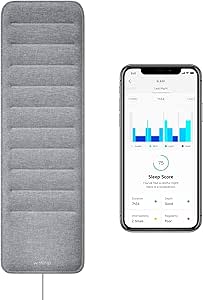
Withings Sleep Under-Mattress Sleep Tracking Pad

OMRON VIVA 360+ Body Composition Monitor and Smart Scale

Garmin Forerunner 570 GPS Running Smartwatch, 47mm, Aluminum, Black
As an affiliate, we earn on qualifying purchases.
Frequently Asked Questions
Can Power Naps Improve Long-Term Memory Retention?
Power naps can indeed boost long-term memory retention. When you nap, your brain engages in memory consolidation, strengthening neural pathways that store information. By taking a quick, well-timed rest, you give your brain a chance to process and solidify new memories. This process helps improve your ability to recall information later, making power naps a simple yet effective way to enhance your overall learning and memory retention over time.
What Are the Best Times of Day for Power Naps?
Think of your day as a clock, and timing your power nap is like hitting the perfect gear shift. The best times are during your circadian rhythms’ dip, typically early afternoon around 1-3 PM. Keep your nap short, about 10-20 minutes, to avoid grogginess and maximize alertness. These windows align with your body’s natural energy lows, making your nap the most effective recharge.
How Does Caffeine Affect the Quality of a Power Nap?
Caffeine can negatively affect your power nap by reducing your ability to reach deep sleep stages, which are essential for restoring alertness. Caffeine’s impact lasts for several hours, so drinking it too close to napping may make it harder to fall asleep or cause lighter sleep. To maximize your power nap’s benefits, avoid caffeine beforehand, ensuring you wake up feeling more refreshed and alert.
Are There Specific Sleep Stages to Target During a Nap?
You should aim to target light sleep and early deep sleep stages within sleep cycles during your nap. Ideally, keep your nap around 20 minutes to avoid waking during REM stages, which can make you feel groggier. If you have more time, a 90-minute nap allows you to complete a full sleep cycle, including REM stages, helping you feel refreshed and alert afterward.
Can Power Naps Help With Severe Sleep Deprivation?
Yes, power naps can help with severe sleep deprivation by reducing your sleep debt and boosting alertness. Short naps of 10-20 minutes target light sleep stages, providing quick restorative benefits. Napping benefits include improved mood, focus, and performance. While they won’t fully replace a full night’s sleep, regular power naps can be a valuable tool to temporarily alleviate the effects of severe sleep deprivation and help you stay functional.
Conclusion
Now that you know the science behind power naps, think of them as your secret weapon—like a knight’s shield or a magician’s wand—ready to restore your energy and sharpen your focus. By mastering these quick resets, you’ll harness the power of rest just as the sun rises anew, bright and unstoppable. So, next time fatigue drags you down, remember: with a well-timed nap, you’re fueling your own legend, one restful moment at a time.