You only need to track the key aspects of your sleep, like total sleep time, sleep efficiency, and wake times. Avoid obsessing over every detail or fluctuations, as this can cause stress and frustration. Focus on overall trends and small environmental adjustments, such as temperature or light, that improve your sleep quality. By keeping tracking simple and meaningful, you’ll build sustainable habits. Discover what truly matters for your sleep as you explore more ways to optimize your rest.
Key Takeaways
- Focus on overall sleep patterns and quality rather than obsessing over every data point.
- Track only essential metrics like total sleep time, wake times, and sleep efficiency for simplicity.
- Use sleep data as a general guide to identify trends, not for daily perfection.
- Limit tracking frequency to prevent anxiety; consistency over time yields better insights.
- Prioritize environmental and lifestyle factors alongside data to sustainably improve sleep.

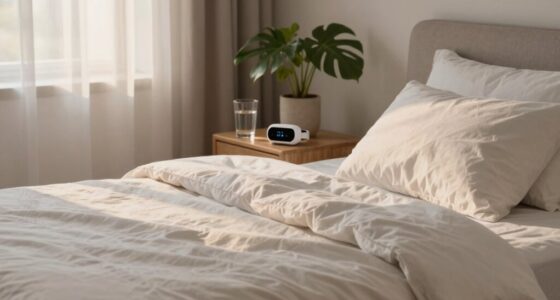
Tracking your sleep data has become an essential tool for understanding and improving your sleep habits. When you pay attention to your sleep cycle, you gain insights into how many times you move through the different stages of sleep, from light to deep and REM sleep. Monitoring your sleep cycle helps you identify patterns, such as frequent awakenings or restless nights, so you can make targeted changes to enhance your rest. But it’s equally important to consider your sleep environment, which plays a vital role in the quality of your sleep. Factors like room temperature, noise, light levels, and mattress comfort all influence how smoothly your sleep cycle progresses. By tracking these variables alongside your sleep data, you can pinpoint environmental disruptions and create a more sleep-friendly space.
Monitoring sleep cycles and environment helps identify disruptions for better rest.
It’s tempting to become obsessed with every data point your tracker provides, but that can lead to unnecessary stress and frustration. Instead, focus on the bigger picture. For example, if your sleep data shows you’re consistently waking up during the night, examine your sleep environment. Are you sleeping in a room that’s too hot or cold? Is there too much light or noise? Making simple adjustments—like using blackout curtains, lowering the thermostat, or adding white noise—can profoundly improve your sleep cycle without obsessing over minute details. Remember, the goal is to use sleep data as a guide, not a source of anxiety.
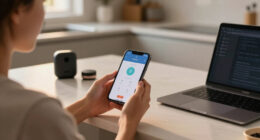
Your sleep tracker offers a wealth of information, but it’s important to interpret it with moderation. Tracking every night obsessively can lead to anxiety, which ironically worsens your sleep. Instead, aim for consistency in your tracking routine—perhaps a few weeks at a time—and look for trends rather than day-to-day fluctuations. If you notice persistent issues, such as irregular sleep patterns or difficulty falling asleep, then dive deeper into specific causes like stress, caffeine intake, or your bedtime routine. The key is to use your sleep data as a tool for awareness, not as a strict rulebook. Additionally, understanding sleep stages can help you better interpret your data and make more informed adjustments.
Ultimately, you don’t need to track every second of your sleep to make meaningful improvements. A few key metrics—like total sleep time, sleep efficiency, and wake times—are often enough to guide your efforts. Balance your data tracking with attention to your sleep environment and lifestyle habits. By doing so, you’ll avoid tracker obsession and create sustainable habits that genuinely enhance your sleep quality. Remember, the goal isn’t perfection but progress, and your sleep data is just one piece of the puzzle.

Garmin Index Sleep Monitor, Smart Sleep Band with Advanced Sleep Tracking and Recovery Metrics, S-M
Worn on the upper arm, this lightweight and breathable smart sleep band is available in two sizes for…
As an affiliate, we earn on qualifying purchases.
As an affiliate, we earn on qualifying purchases.
Frequently Asked Questions
Can Sleep Trackers Accurately Measure Sleep Quality?
Sleep trackers can provide a general idea of your sleep cycle, but their data accuracy varies. They often use movement and heart rate to estimate sleep stages, which isn’t always precise. While helpful for noticing patterns, don’t rely solely on them for detailed insights. Trackers give you a useful overview, but for a complete understanding of sleep quality, consider combining data with how you feel and professional advice.
How Does Sleep Data Impact Mental Health?
Sleep data can considerably impact your mental health by highlighting patterns of sleep deprivation that may cause anxiety or mood swings. When you track your sleep, you become aware of how poor sleep affects you, encouraging healthier habits. Incorporate mindfulness techniques to reduce stress related to sleep concerns. Just remember, obsessing over every detail can worsen anxiety, so use your sleep data as a helpful tool, not a cause of obsession.
Are There Risks to Obsessing Over Sleep Data?
Obsessing over sleep data can do more harm than good. Studies show that up to 40% of users become anxious about their sleep, risking sleep anxiety. Sleep tracker limitations mean they often misinterpret data, leading to unnecessary worry. Data obsessing dangers include increased stress and disrupted sleep patterns. Stay mindful—use sleep data as a guide, not a source of constant concern, to avoid falling into the trap of tracker obsession.
What Is the Ideal Amount of Sleep for Adults?
You should aim for about 7-9 hours of sleep each night. Prioritize good sleep hygiene by maintaining a consistent sleep schedule and creating a sleep environment that’s cool, dark, and quiet. Avoid obsessing over every data point; instead, listen to your body’s signals and focus on quality sleep. This balance helps improve overall health without the stress of tracking every detail, supporting restful, restorative nights.
How Can I Interpret Sleep Data Without Anxiety?
Think of analyzing your sleep data like a gentle guided tour through a garden, not a stormy voyage. Practice mindful analysis by focusing on trends rather than exact numbers, and remember that fluctuations are normal. Use emotional reassurance to remind yourself that one bad night doesn’t define your health. Keep a balanced perspective, and avoid obsessing over every detail—trust your body’s natural rhythms and give yourself grace.

DWCN Blackout Curtains – Thermal Insulated, Energy Saving & Noise Reducing Bedroom and Living Room Curtains, Black, W 42x L 63 Inch, Set of 2 Rod Pocket Curtain Panels
[Polyester Material] Made of high-quality durable 100% polyester fabric, our blackout curtains are super smooth and soft. Two…
As an affiliate, we earn on qualifying purchases.
As an affiliate, we earn on qualifying purchases.
Conclusion
So, you’ve got your sleep tracker, your shiny badge of health, and now you’re obsessed with every snooze minute. But here’s the secret: sleep isn’t a science experiment, it’s a nightly dance. Stop obsessing over every beep and beep-bocalypse. Sometimes, good old-fashioned rest, a cozy pillow, and a warm blanket beat algorithms any day. So, relax—your body knows what it needs. Sleep smart, not obsessive, and let your dreams do the talking.
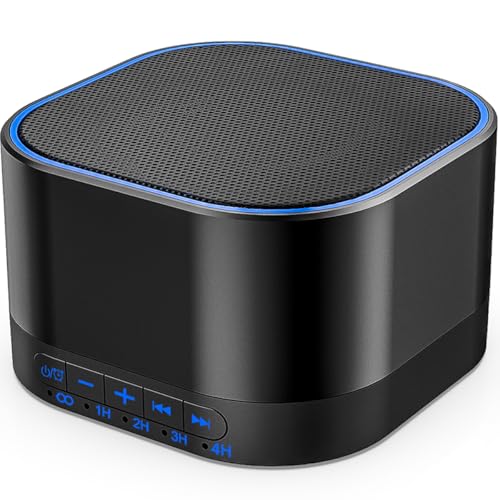
Magicteam Sound White Noise Machine with 20 Non Looping Natural Soothing Sounds and Memory Function 32 Levels of Volume Powered by AC or USB and Sleep Sound Timer Therapy for Baby Kids Adults
❤20 Non-Looping Sleep Sounds: White noise ,Brown noise, pink noise, blue noise, fan,brook, rain, ocean,bird and Bonfire,suitable for…
As an affiliate, we earn on qualifying purchases.
As an affiliate, we earn on qualifying purchases.

0.5 Sec Instant Read Meat Thermometer Digital with Auto Rotate Large LCD Display & Sleep Mode, ±0.5°F Accuracy, IP67 Waterproof Cooking Thermometer for BBQ Grill Smoker Candy
Unmatched Speed & Precision: Experience lightning-fast readings in just 0.5 seconds, delivering pinpoint temperature accuracy for flawless results…
As an affiliate, we earn on qualifying purchases.
As an affiliate, we earn on qualifying purchases.