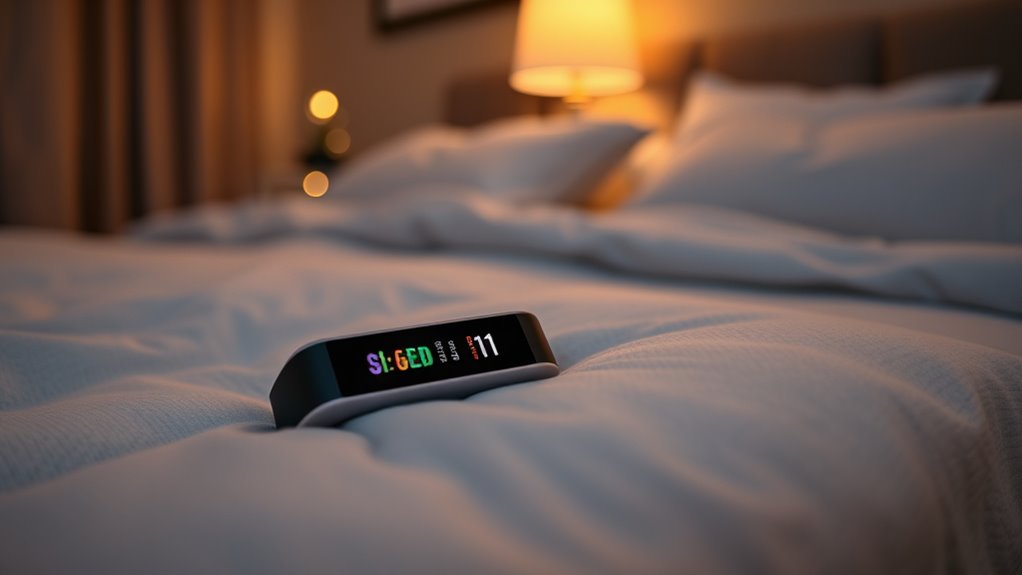

Your sleep tracker shows stages like light, deep, REM, and awake periods, revealing how your body and brain cycle through rest. High amounts of deep sleep mean good physical recovery, while enough REM supports memory and emotions. Sleep efficiency indicates how much time in bed you actually sleep; above 85% is ideal. If your numbers seem off, changes in your environment or routines can help. Keep exploring to understand what your sleep data truly means.
Key Takeaways
- Sleep stages (light, deep, REM) reveal how restorative your sleep is and help identify potential disruptions.
- Sleep efficiency indicates how well you sleep relative to time in bed; above 85% is generally good.
- Deep sleep reflects physical recovery, while REM supports memory and emotional health.
- Frequent awakenings or low deep sleep suggest issues like stress or sleep disorders.
- Tracking these metrics guides improvements in sleep routines, environment, and overall sleep quality.
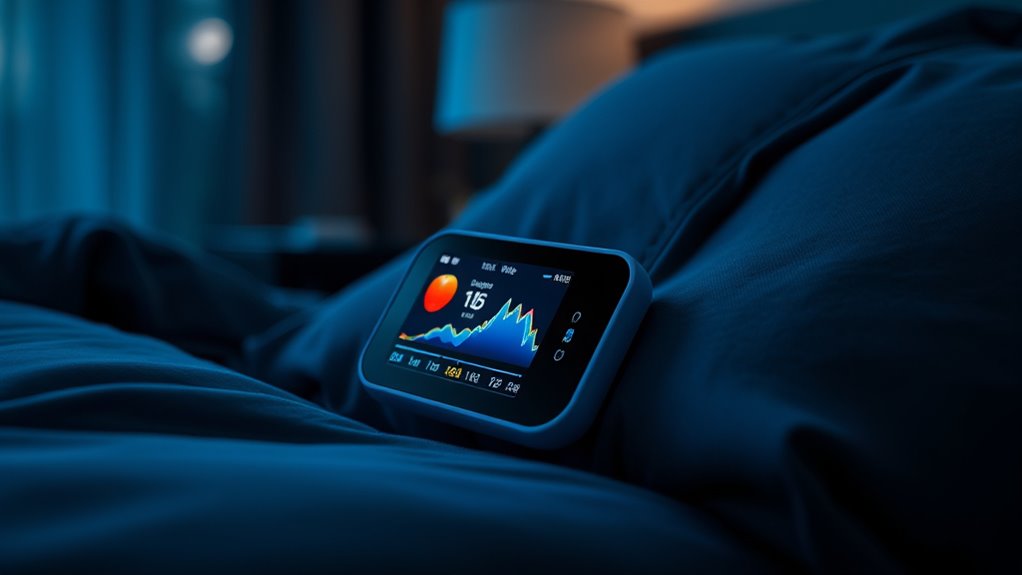
Understanding your sleep patterns is essential for improving overall health, and sleep tracker metrics provide valuable insights into this often-overlooked aspect of wellness. When you look at your sleep data, one of the key metrics to contemplate is your sleep stages. These stages—light, deep, REM, and sometimes awake periods—reveal how your body and brain cycle through different levels of rest throughout the night. Knowing how much time you spend in each stage can help you identify whether your sleep is restorative or disrupted. For example, a higher proportion of deep sleep indicates better physical recovery, while sufficient REM sleep supports mental functions like memory and emotional regulation. If your sleep stages show a pattern of frequent awakenings or a lack of deep sleep, it might suggest underlying issues such as stress, sleep apnea, or poor sleep hygiene. Additionally, understanding how connected devices and sleep tracking technology work can help you better interpret your data and make informed adjustments to your sleep routine.
Another important metric is sleep efficiency, which measures how much of your time in bed is actually spent sleeping. It’s expressed as a percentage and is a good indicator of sleep quality. A high sleep efficiency—typically above 85%—means you’re falling asleep quickly and staying asleep for most of the night. Conversely, low sleep efficiency suggests difficulties in initiating or maintaining sleep, leading to fragmented rest. When your sleep efficiency is low, you might notice that you’re awake for long periods during the night or that you often toss and turn. This can be caused by environmental factors like noise or light, or internal factors such as anxiety or discomfort. Improving your sleep environment, establishing a consistent bedtime routine, and managing stress can help boost your sleep efficiency and overall restfulness.

Withings Sleep – Sleep Tracking Pad Under The Mattress With Sleep Cycle Analysis
EXPLORE THE DEPTHS OF YOUR SLEEP PATTERN – Sleep is the ultra-powerful sleep monitor that allows you to…
As an affiliate, we earn on qualifying purchases.
As an affiliate, we earn on qualifying purchases.
Frequently Asked Questions
Can Sleep Tracker Data Diagnose Sleep Disorders?
Sleep tracker data alone can’t diagnose sleep disorders, but it can reveal patterns affecting your sleep quality and highlight insomnia symptoms. If your tracker shows frequent awakenings or poor sleep duration, it’s a sign you should consult a healthcare professional. Use the data as a helpful tool to understand your sleep habits better, but rely on medical advice for an accurate diagnosis and appropriate treatment.
How Accurate Are Sleep Trackers Compared to Medical Devices?
Sleep trackers are generally less accurate than medical devices because they rely on device calibration and movement detection rather than precise medical measurements. While they give you a good idea of sleep quality, they can misinterpret restfulness or wakefulness. For the most accurate results, consider medical-grade devices, but for everyday tracking, your sleep tracker provides useful insights despite some variability.
Do Sleep Metrics Vary Significantly Between Different Tracker Brands?
Yes, sleep metrics can vary markedly between different tracker brands. Imagine comparing two fitness trackers: one shows you 7 hours of sleep, while the other reports 6.5 hours for the same night. Brand differences often affect metric consistency due to varying sensors and algorithms. To get the most accurate picture, stick with one trusted brand and understand that some variation is normal across devices.
Can Sleep Trackers Predict Future Health Issues?
Sleep trackers can hint at potential health issues by monitoring your sleep quality and sleep timing. If your data shows consistent poor sleep quality or irregular sleep patterns, it might signal underlying health problems. While they don’t predict future issues with certainty, paying attention to these metrics helps you recognize when to consult a healthcare professional. Regularly tracking your sleep encourages healthier habits and early detection of possible concerns.
How Should I Interpret Inconsistent Sleep Data Over Nights?
When your sleep data is inconsistent night to night, focus on sleep consistency rather than exact numbers. Variations happen, and tracking reliability can fluctuate due to device differences or movement. Don’t stress over minor changes; instead, aim for regular sleep schedules and habits. If inconsistencies persist, consider adjusting your tracker or consulting a healthcare professional to get clearer insights into your sleep health.
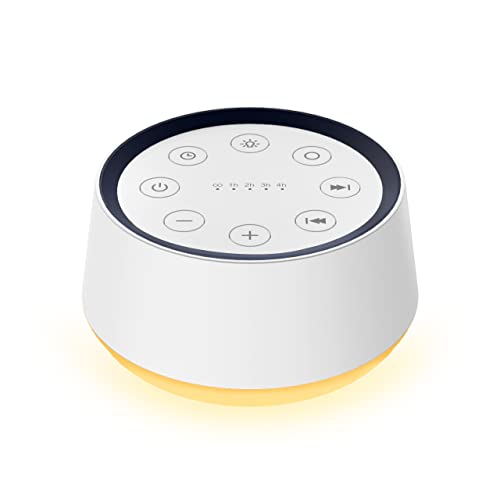
Brown Noise Sound Machine with 30 Soothing Sounds 12 Colors Night Light White Noise Machine for Adults Baby Kids Sleep Machines Memory Function 36 Volume Levels 5 Timers for Home Office Travel
❤[30 Natural and Soothing Sounds] Our white noise machine provides 30 soothing sounds, including 3 Brown noise, 2…
As an affiliate, we earn on qualifying purchases.
As an affiliate, we earn on qualifying purchases.
Conclusion
Understanding your sleep tracker metrics helps you make smarter choices for better rest. Did you know that the average person spends about 20% of their night in REM sleep, essential for memory and mood? By paying attention to your numbers, you can identify patterns and improve your sleep quality. Remember, your metrics are a tool—use them to access restorative sleep and wake up feeling refreshed every day.

Fygrip 3D Eye Mask Sleep Mask for Men & Women, 100% Pressure-Free & Light Block-Out Eye Mask for Sleep with Easy Adjustable Strap, Night Eye Cover for Travel, Black
【100% Pressure-Free】: Patented 3D contour design with deep & wide eye pockets provides large space for your eyes…
As an affiliate, we earn on qualifying purchases.
As an affiliate, we earn on qualifying purchases.
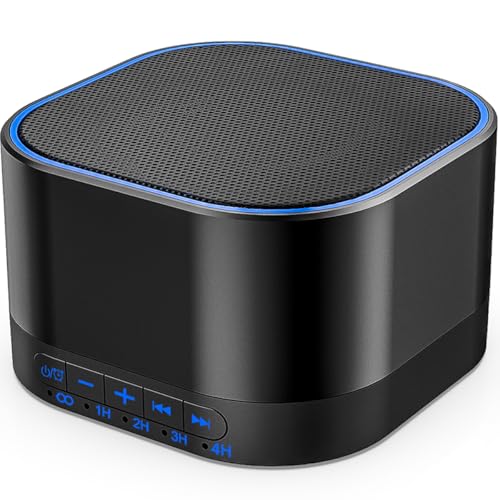
Magicteam Sound White Noise Machine with 20 Non Looping Natural Soothing Sounds and Memory Function 32 Levels of Volume Powered by AC or USB and Sleep Sound Timer Therapy for Baby Kids Adults
❤20 Non-Looping Sleep Sounds: White noise ,Brown noise, pink noise, blue noise, fan,brook, rain, ocean,bird and Bonfire,suitable for…
As an affiliate, we earn on qualifying purchases.
As an affiliate, we earn on qualifying purchases.