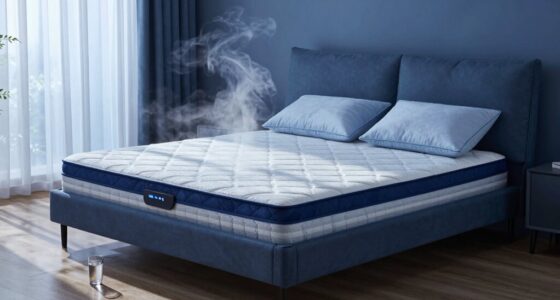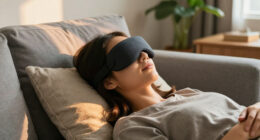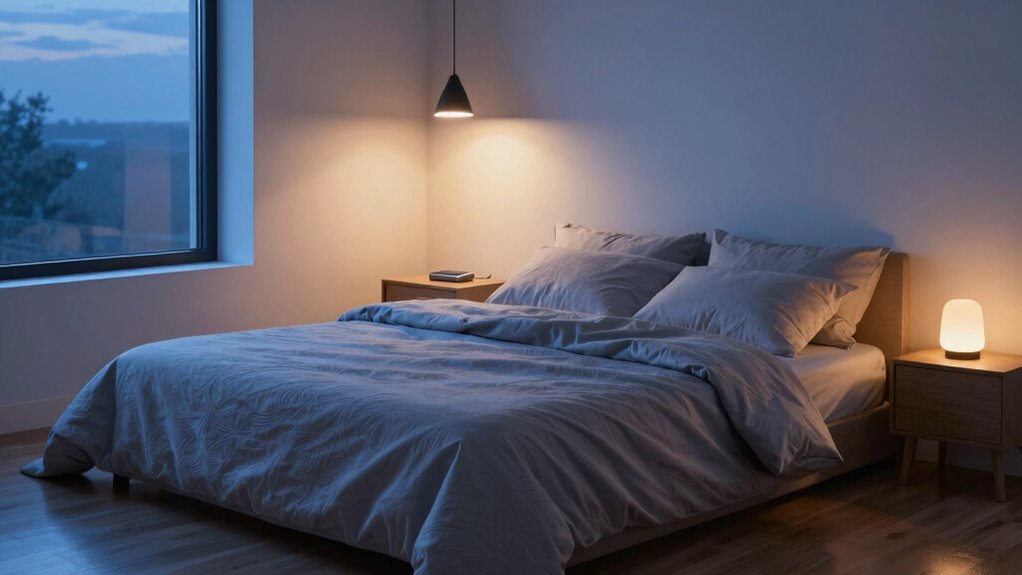

Smart lighting is becoming essential for your sleep because it creates an ideal environment for rest. With features that mimic natural light, it helps regulate your circadian rhythm, making it easier to wake up and wind down. Soft, warm tones in the evening signal your brain to relax, while morning light boosts alertness. Tailored adjustments throughout the day enhance your mood and energy levels. Discover how you can optimize your space for better sleep and overall well-being.

Get wellness gear delivered free with Prime
- Fast, free delivery on millions of items
- Prime Video, Amazon Music and more included
- Member-only deals all year
Key Takeaways
- Smart lighting adapts to natural light patterns, supporting the circadian rhythm and enhancing sleep quality.
- Gradual morning light increases help signal wakefulness, improving alertness for the day ahead.
- Evening warm tones from smart lighting promote relaxation, facilitating easier sleep onset and maintenance.
- Programmable features allow users to tailor lighting, creating an optimal sleep environment that enhances overall well-being.
- Effective light management reduces exposure to stimulating blue light at night, improving sleep hygiene and health.

As you navigate the challenges of modern life, it’s easy to overlook the impact of light on your sleep quality. The truth is, the way you manage light in your home can directly affect your circadian rhythm, which plays a vital role in regulating your sleep-wake cycle. With smart lighting, you can create a tailored environment that not only promotes better sleep but also enhances your overall mood.
Imagine waking up to soft, warm light that gradually brightens, mimicking a natural sunrise. This gradual increase in light helps signal to your body that it’s time to wake up, allowing your circadian rhythm to function effectively. Conversely, as evening approaches, smart lighting can shift to warmer tones, signaling to your brain that it’s time to wind down. This change helps prepare your body for sleep, making it easier to fall asleep and stay asleep through the night.
Smart lighting systems can be programmed to adjust automatically based on the time of day, ensuring you’re exposed to the right kind of light when you need it most. This not only supports your sleep patterns but can also offer mood enhancement throughout the day. Bright, cool light in the morning can invigorate you, while softer, warmer tones in the evening can help you relax. By controlling your lighting, you can actively influence your mood, energy levels, and productivity.
Moreover, many smart lighting solutions come with features like dimming and color-changing capabilities. If you find yourself working late into the night, you can easily switch to a warmer tone to help signal to your body that it’s time to slow down. This flexibility means you’re not just stuck with one type of lighting; you can adapt your environment to fit your needs at any given moment. Additionally, understanding home‑care techniques can help you optimize your entire living environment for better sleep and comfort. Incorporating light therapy principles into your lighting choices can further enhance your sleep-wake cycle, especially in areas with limited natural light.
Using adaptive lighting features allows you to customize your home’s environment to support your natural rhythms more effectively. Creating an environment that supports your sleep hygiene involves more than just lighting, but managing light effectively is a crucial step in sleep environment optimization. Implementing light management strategies can play a significant role in maintaining your overall health and well-being.
As an affiliate, we earn on qualifying purchases.
Frequently Asked Questions
How Does Smart Lighting Impact Mood and Productivity?
Smart lighting greatly impacts your mood and productivity. When you adjust the brightness and color temperature, you can enhance your mood, making you feel more relaxed or energized as needed. This flexibility leads to a productivity boost, helping you focus during work hours or unwind in the evening. By creating the right ambiance, you’ll notice how effectively smart lighting can transform your environment, supporting both your emotional well-being and efficiency throughout the day.
Can Smart Lighting Help With Seasonal Affective Disorder?
Yes, smart lighting can help with seasonal affective disorder (SAD) by mimicking light therapy. This type of lighting boosts your mood and energy by influencing your circadian rhythms. You can set your smart lights to brighter, cooler tones during the day to combat fatigue and switch to warmer hues in the evening to prepare for sleep. By adjusting your environment, you’re actively supporting your mental well-being and enhancing your overall mood.
What Are the Best Smart Bulbs for Sleep?
If you’ve ever struggled to wind down after a long day, the Philips Hue White Ambiance bulb might be just what you need. These smart bulbs come with sleep-friendly features, like adjustable brightness and a warm light setting that mimics sunset, helping you relax before bed. You can customize the light’s intensity to suit your mood, making it easier to create a calming atmosphere that promotes better sleep and restful nights.
Is Smart Lighting Energy-Efficient?
Yes, smart lighting is energy-efficient. You’ll enjoy significant energy savings by using LED smart bulbs, which consume less power than traditional bulbs. These smart lights often allow you to adjust the light spectrum, optimizing brightness and reducing energy waste. Plus, with features like timers and automation, you can guarantee lights are only on when needed, further enhancing efficiency. By making these choices, you’re not just saving energy, but also benefiting the environment.
How Do I Integrate Smart Lighting With My Existing Home Automation?
To integrate smart lighting with your existing home automation, start by choosing compatible smart bulbs or fixtures. Connect them to your smart home hub, ensuring they support lighting automation. Use your hub’s app to create routines and schedules that suit your lifestyle. You can adjust brightness and color temperatures to enhance your environment. Finally, explore voice control options for added convenience, making your smart home integration seamless and user-friendly.
As an affiliate, we earn on qualifying purchases.
Conclusion
As you embrace smart lighting, you’re not just adjusting bulbs; you’re stepping into a domain that echoes the wisdom of ancient philosophers who valued harmony in life. By syncing your lights to your natural rhythms, you’re crafting a sanctuary for restful sleep. Just like the moon guides the tides, your lighting can steer you toward tranquility. So go ahead, dim those lights and let your home transform into a peaceful retreat, where sweet dreams await.
As an affiliate, we earn on qualifying purchases.
As an affiliate, we earn on qualifying purchases.
Cold & flu season Picks
humidifiers
As an affiliate, we earn on qualifying purchases.