Turning off Wi-Fi at night can improve your sleep quality by reducing exposure to electromagnetic fields (EMFs), which may interfere with melatonin production and disrupt your sleep cycles. Continuous EMF exposure from Wi-Fi routers can stimulate alertness and make it harder to fall asleep or stay asleep. To support better rest, consider disconnecting from devices and turning off your Wi-Fi at bedtime. Keep exploring to discover more ways to optimize your sleep environment and health.
Key Takeaways
- EMF exposure from Wi-Fi may interfere with melatonin production, disrupting sleep quality.
- Turning off Wi-Fi at night reduces EMF exposure, potentially improving sleep hygiene.
- Using wired connections or airplane mode helps maintain connectivity while minimizing EMFs.
- Screen light and social media use before bed further suppress melatonin, affecting sleep.
- Prioritizing a device-free environment supports better rest and overall health.
As night falls, many people turn off their devices or disconnect from the internet, but for others, Wi-Fi remains essential even after dark. You might rely on your Wi-Fi connection to wind down with a favorite show, catch up on late-night emails, or stay connected to loved ones. However, there’s growing concern about whether keeping Wi-Fi on at night affects your sleep quality. One aspect to contemplate is the potential impact of electromagnetic fields (EMFs) emitted by wireless routers. While research is ongoing, some studies suggest that prolonged exposure to EMFs could interfere with your sleep patterns, possibly by affecting melatonin production—the hormone responsible for regulating sleep-wake cycles.
Keeping Wi-Fi on at night may disrupt sleep by affecting melatonin production and exposing you to EMFs.
Balancing technology use with good sleep hygiene is vital. Many experts recommend a digital detox before bed, which involves turning off electronic devices at least an hour before sleep. This practice helps your brain shift from alertness to relaxation, making it easier to fall asleep and stay asleep. If you rely on Wi-Fi during nighttime hours, think about whether your usage could be disrupting your natural sleep cycle. For example, scrolling through social media or working late into the night can stimulate your brain, making it harder to wind down. Even the light from screens suppresses melatonin, compounding the issue.
On the other hand, some people find that disconnecting from Wi-Fi and screens altogether improves their sleep hygiene. Turning off your router at night can reduce EMF exposure and eliminate the temptation to check your devices, fostering a more restful environment. If you need internet access overnight, consider using a wired connection or placing your router away from your bedroom. You can also enable airplane mode on your devices to disconnect from Wi-Fi without losing access to alarms or essential apps. Additionally, the wave and wind patterns in your environment can influence the dispersion and intensity of EMFs, which may further impact your sleep quality.
Ultimately, whether you should turn off Wi-Fi at night depends on your personal sleep needs and how sensitive you are to EMFs. Prioritizing good sleep hygiene and a digital detox can promote better rest, but if your Wi-Fi is necessary for your nightly routines, taking simple precautions can help minimize potential disruptions. Remember, creating a sleep-friendly environment involves more than just turning off devices; it’s about cultivating habits that support your overall well-being and restful nights.

Fengind Large WiFi Router Cover – Blocks 90% of Router Emf & 5G, Allows Uninterrupted Use – Faraday Cage Emf Protection – Two Year Warranty
【Large Size for Compatibility】WIFI router emf shield is 12 inches long x 11 7/8 inches high x 5…
As an affiliate, we earn on qualifying purchases.
As an affiliate, we earn on qualifying purchases.
Frequently Asked Questions
Does Wi-Fi Exposure Affect Children’s Sleep Patterns?
Yes, Wi-Fi exposure from wireless devices can affect children’s sleep patterns. The electromagnetic fields (EMFs) emitted may cause sleep disturbances, making it harder for children to fall asleep or stay asleep through the night. To promote better sleep quality, you should consider turning off Wi-Fi at night or placing wireless devices away from their bedrooms. Reducing exposure helps guarantee your child’s sleep is restful and restorative.
Can Wi-Fi Signals Disrupt Melatonin Production?
Wi-Fi signals can cause electromagnetic interference that may disrupt melatonin production, leading to potential sleep issues. When you’re exposed to Wi-Fi at night, the electromagnetic fields can suppress melatonin, the hormone responsible for regulating sleep. To protect your sleep quality, consider turning off your Wi-Fi router before bed. Reducing electromagnetic interference helps make sure your melatonin levels stay balanced, promoting more restful and uninterrupted sleep.
Are There Long-Term Health Risks From Nightly Wi-Fi Exposure?
Long-term health risks from nightly Wi-Fi exposure are still uncertain, but studies indicate that chronic exposure to wireless radiation may increase concerns like headaches or fatigue. Approximately 70% of people experience some symptoms with prolonged exposure. While definitive proof isn’t established, reducing wireless radiation exposure at night can help minimize potential risks, especially since consistent, long-term exposure might impact your health over time.
How Does Wi-Fi Compare to Other EMF Sources in Sleep Impact?
Wi-Fi emits radio frequency electromagnetic exposure, but its impact on sleep is generally less significant than other EMF sources like cell phones or power lines. You might notice more sleep disruption from stronger or closer electromagnetic exposure. To minimize effects, keep devices away from your bed and limit overall electromagnetic exposure at night, ensuring better sleep quality. Wi-Fi’s radio frequency is less intense compared to other EMFs, so its sleep impact is typically lower.
Is Turning off Wi-Fi Effective if Other Devices Remain Active?
Turning off your Wi-Fi alone isn’t fully effective if other devices stay active, but you can improve sleep quality by also using device shielding and adjusting your router placement. Shielding reduces EMF exposure, while placing your router away from your sleeping area minimizes RF radiation. Combining these steps with turning off Wi-Fi creates a safer environment, helping you sleep better without completely disconnecting.
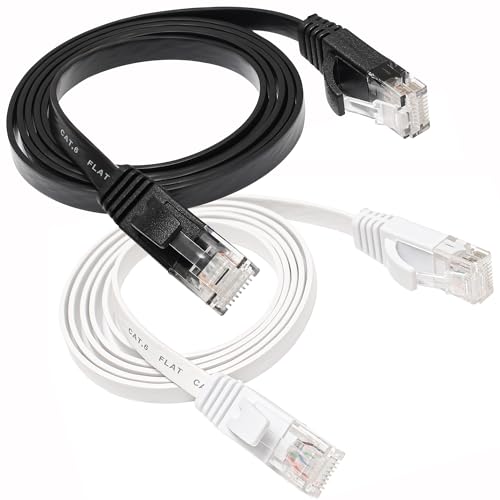
Ethernet Cable 3FT 2 Pack, Cat 6 LAN Cable Flat Net Cable Faster than Cat5e/Cat5, Slim Short Computer Internet Patch Cord Wire with Rj45 Male Connectors for Router, Laptop, Modem, black + white
【Hyper Speed】: The flat Cat6 Ethernet cable is made of 4 foiled twisted pair(UTP) and single strand copper…
As an affiliate, we earn on qualifying purchases.
As an affiliate, we earn on qualifying purchases.
Conclusion
Turning off Wi-Fi at night is like closing a window to silence the storm outside. Just as quieting the chaos around you can bring peace to your mind, shutting down your devices may help protect your sleep from invisible disturbances. Think of Wi-Fi as a restless ghost — once it’s gone, your sleep can settle like calm waters. Embrace the quiet night, and let your rest be free from unseen forces.
![Nulaxy Airplane Bluetooth Adapter Transmitter Receiver with Screen [Show Battery & Connected Devices], Pairs 2 AirPods/Headphones, 3.5mm AUX for TV Car Treadmill, Qualcomm Chipset, 20H Playtime](https://m.media-amazon.com/images/I/3113h2RZqGL._SL500_.jpg)
Nulaxy Airplane Bluetooth Adapter Transmitter Receiver with Screen [Show Battery & Connected Devices], Pairs 2 AirPods/Headphones, 3.5mm AUX for TV Car Treadmill, Qualcomm Chipset, 20H Playtime
2-in-1 Transmitter & Receiver Mode: 2-in-1 Bluetooth transmitter and receiver with TX and RX modes allows you to…
As an affiliate, we earn on qualifying purchases.
As an affiliate, we earn on qualifying purchases.

Whole House EMF Protection Neutralizer – EMF Blocker for Home & Office – Plug-in Electromagnetic Field Shielding & Harmonic Resonance Harmonizer – Covers up to 3000 Sq Ft – Travel Read (Medium)
[ULTIMATE HOME SANCTUARY] Create a healthier, more balanced living space with our whole-house EMF neutralizer. This plug-in device…
As an affiliate, we earn on qualifying purchases.
As an affiliate, we earn on qualifying purchases.