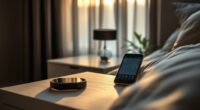
Sleep music and sound apps can help you fall asleep faster by creating a calming environment that relaxes your mind and blocks disruptive noises. These apps offer soothing sounds like white noise, nature scenes, or ambient melodies that signal your brain it’s time to rest. Over time, they condition your mind to associate these sounds with sleep, promoting deeper rest. Keep exploring to discover how these calming tools can improve your sleep routine.
Key Takeaways
- Sleep apps use calming sounds like white noise and natural soundscapes to promote relaxation and reduce sleep onset time.
- Personalized sound combinations can help users find the most effective mix for falling asleep faster.
- Features such as timers and sleep tracking optimize sound use and improve overall sleep quality.
- Consistent use of soothing sounds can strengthen sleep routines and signal the brain to relax.
- Sleep sounds mask disruptive noises, helping prevent awakenings and facilitating deeper, uninterrupted sleep.

In today’s busy world, many people turn to sleep music and sound apps to improve their rest. These apps offer a variety of sounds designed to help you relax and drift off faster. One popular feature is white noise, which creates a consistent, soothing background sound that masks disruptive noises like traffic or talking. White noise forms a steady sonic blanket, making it easier for your mind to settle down and shift into sleep. Alongside white noise, ambient melodies are often included in these apps. These gentle, calming tunes mimic natural sounds or soft instrumental music, providing a tranquil environment that encourages relaxation. When you listen to ambient melodies, you may notice your breathing slowing and your thoughts quieting, paving the way for a smoother bedtime. Additionally, many sleep apps incorporate natural soundscapes, which further enhance the calming effect and help you connect with the peaceful qualities of nature. Using sleep apps that feature white noise and ambient melodies can be particularly effective because they tap into your brain’s natural response to soothing sounds. Instead of engaging your mind with stimulating activities or screens, these sounds promote a state of calmness. Many apps allow you to customize your soundscape, blending white noise with gentle melodies or nature sounds to suit your preferences. This personalization helps you find the perfect combination that signals your brain it’s time to relax. As you listen, you might feel your muscles loosen and your racing thoughts diminish, making it easier to fall asleep quickly. Furthermore, these sounds can be useful for managing sleep disturbances. If you’re someone who wakes up frequently during the night, white noise can help mask startling sounds, preventing you from fully waking up. Ambient melodies can also create a consistent auditory environment that encourages deeper, uninterrupted sleep. Over time, using these sounds regularly can condition your brain to associate specific noises with sleep, strengthening your sleep routine. Many apps even include timers or sleep tracking features, so you can monitor your progress and adjust the sounds accordingly.
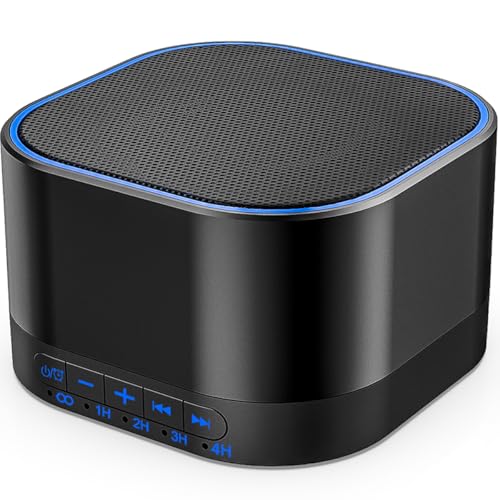
Magicteam Sound White Noise Machine with 20 Non Looping Natural Soothing Sounds and Memory Function 32 Levels of Volume Powered by AC or USB and Sleep Sound Timer Therapy for Baby Kids Adults
❤20 Non-Looping Sleep Sounds: White noise ,Brown noise, pink noise, blue noise, fan,brook, rain, ocean,bird and Bonfire,suitable for…
As an affiliate, we earn on qualifying purchases.
As an affiliate, we earn on qualifying purchases.
Frequently Asked Questions
Can Sleep Apps Replace Professional Sleep Therapy?
Sleep apps can’t replace professional sleep therapy, especially if you’re dealing with persistent sleep issues. They can support better sleep hygiene and offer sound customization to create a calming environment, but they won’t address underlying conditions like sleep disorders. If sleep problems persist, it’s crucial to consult a healthcare professional who can diagnose and recommend effective treatments tailored to your needs. Relying solely on apps might overlook serious issues.
Are There Any Risks Using Sleep Sound Apps Regularly?
While sleep sound apps can be soothing, they might foster subtle sound dependence, making it harder to sleep without them over time. Also, privacy concerns could arise if personal data isn’t properly protected. You should use these apps mindfully, ensuring you’re aware of their data policies and limiting reliance to prevent potential sleep disruptions and protect your privacy. Moderation helps enjoy their benefits without unintended risks.
How Do Personalized Soundscapes Impact Sleep Quality?
Personalized soundscapes can substantially improve your sleep quality by tailoring the sounds to your preferences, which increases relaxation and reduces stress. The personalization benefits include a more calming experience, helping you fall asleep quicker and stay asleep longer. Plus, soundscape diversity keeps the audio interesting, preventing habituation. This variety ensures your brain remains engaged, making it easier to drift into restful sleep and wake up feeling refreshed.
Do Sleep Apps Work Equally Well for All Age Groups?
Sleep apps don’t work equally well for all age groups because age differences affect technology adaptation and preferences. Younger users often adapt quickly and respond well to customizable features, while older adults may find interfaces less intuitive or prefer different sounds. Studies suggest tailoring app features to age-specific needs enhances effectiveness. So, you should choose or customize sleep apps based on your age and comfort with technology to improve your sleep quality.
Can Sleep Apps Help With Specific Sleep Disorders?
Yes, sleep apps incorporating sound therapy can help manage specific sleep disorders by promoting relaxation and improving sleep hygiene. For example, calming sounds may ease anxiety or reduce insomnia symptoms. However, they shouldn’t replace medical treatment. You should consult a healthcare professional for persistent issues. Using these apps alongside good sleep practices can be an effective complementary approach to improving your overall sleep quality.
Magicteam Sound White Noise Machine with 20 Non Looping Natural Soothing Sounds and Memory Function 32 Levels of Volume Powered by AC or USB and Sleep Sound Timer Therapy for Baby Kids Adults
❤20 Non-Looping Sleep Sounds: White noise ,Brown noise, pink noise, blue noise, fan,brook, rain, ocean,bird and Bonfire,suitable for…
As an affiliate, we earn on qualifying purchases.
As an affiliate, we earn on qualifying purchases.
Conclusion
So, do sleep music and sound apps help you fall asleep faster? They can create a calming environment, drown out distractions, and establish a soothing bedtime routine. Whether you seek gentle melodies or nature sounds, these apps aim to relax your mind and body. Ultimately, their effectiveness depends on your preferences and consistency. If you approach them with patience and an open mind, you might find yourself drifting off more easily, more peacefully, and more naturally every night.
Magicteam Sound White Noise Machine with 20 Non Looping Natural Soothing Sounds and Memory Function 32 Levels of Volume Powered by AC or USB and Sleep Sound Timer Therapy for Baby Kids Adults
❤20 Non-Looping Sleep Sounds: White noise ,Brown noise, pink noise, blue noise, fan,brook, rain, ocean,bird and Bonfire,suitable for…
As an affiliate, we earn on qualifying purchases.
As an affiliate, we earn on qualifying purchases.

White Noise Sound Machine & Alarm Clock: Color Noises and Custom Soundscapes, App Control, Sleep Schedule, Multiple Alarms, 100 Volume Levels, Built-in Battery
Ready to Use Right Out of the Box: Preloaded with 24 sounds, multilingual time announcements, 30/60/90-minute timers, 100…
As an affiliate, we earn on qualifying purchases.
As an affiliate, we earn on qualifying purchases.