Wearable sleep trackers can give you useful patterns and insights, but their accuracy varies when compared to clinical tests like polysomnography. They mainly rely on movement and heart rate, which can lead to errors in detecting sleep stages and wake periods. Factors like device placement, user habits, and sensor quality also affect results. If you want to understand how reliable these devices are and what limits them, keep exploring how technology impacts sleep tracking.
Key Takeaways
- Wearable sleep trackers mainly rely on movement and heart rate data, which can lead to inaccuracies in sleep stage classification.
- They tend to overestimate total sleep time and often misidentify wake periods during the night.
- Sensor quality and proper device calibration significantly influence tracking accuracy.
- Compared to polysomnography, wearables provide less detailed but more convenient sleep insights.
- Advances in sensor technology and algorithms are gradually improving the precision of wearable sleep tracking.

Smart Watch Fitness Tracker with 24/7 Heart Rate, Blood Oxygen Blood Pressure Monitor Sleep Tracker 120 Sports Modes Activity Trackers Step Calorie Counter IP68 Waterproof for Andriod iPhone Women Men
- Vibrant 1.58'' High-Res Display: Clear visuals with touch controls
- 24/7 Heart Rate & Health Monitoring: Real-time blood pressure, oxygen, and heart rate
- Sleep Tracking & Analysis: Tracks sleep stages and wake times
As an affiliate, we earn on qualifying purchases.
As an affiliate, we earn on qualifying purchases.
How Wearable Devices Track Sleep Stages and Patterns

Wearable sleep trackers monitor your sleep stages and patterns primarily through sensors that detect movement and physiological signals. These devices use wearable algorithms to analyze data like heart rate, breathing, and body motion. During sleep, fluctuations in sleep hormones such as melatonin and cortisol influence your sleep cycles, which the trackers attempt to identify indirectly. The algorithms interpret this physiological data to estimate when you’re in light, deep, or REM sleep. While movement decreases during deep sleep, subtle changes in heart rate and respiration help distinguish sleep stages. These devices don’t measure sleep hormones directly but rely on sensor data to infer sleep quality and patterns. Advances in sensor technology continue to improve the accuracy of these devices, providing a more comprehensive picture of your sleep health. Incorporating machine learning algorithms has also contributed to enhanced analysis and interpretation of sleep data. Ongoing research into physiological signals is expanding the potential for more precise sleep tracking and understanding of sleep disorders. This approach offers a real-time, non-invasive way to monitor your sleep, although it’s not as detailed as clinical sleep studies.

SOMNDEEP Non-Wearable Smart Sleep Tracker, Contactless Sleep Monitor Device
- Non-Wearable Design: Comfortable, contactless sleep monitoring
- Comprehensive Sleep Tracking: Heart rate, breathing, and movement analysis
- Sleep Stage Measurement: Deep, light, and REM sleep percentages
As an affiliate, we earn on qualifying purchases.
As an affiliate, we earn on qualifying purchases.
Comparing Wearable Data to Polysomnography

Although wearable sleep trackers offer convenient insights into your sleep patterns, their data often differs considerably from the gold standard of polysomnography. Polysomnography measures detailed aspects of your sleep cycle, including brain activity, eye movements, and muscle tone, providing highly precise data. Wearables primarily rely on movement and heart rate, which can lead to inaccuracies in identifying sleep stages and cycle passages. When comparing data, you’ll often find that wearables overestimate total sleep time or misclassify wake periods. Additionally, their reliance on movement and heart rate data limits their ability to accurately detect certain sleep stages. The varying accuracy rates among different devices highlight the importance of understanding measurement precision when interpreting their results. Advances in nanotechnology-based sensors could potentially improve the accuracy of future wearable devices, bridging the gap with clinical assessments. While they provide a useful overview of general sleep trends, their data precision falls short of clinical assessments. This discrepancy highlights the importance of understanding the limitations of wearable devices, especially if you’re seeking detailed or medical-grade sleep analysis.
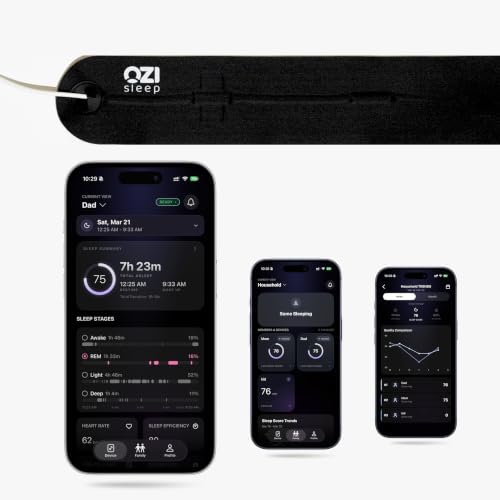
OZI Smart Sleep Tracker, Non-Wearable Contactless Under-Sheet Sleep Monitor
- No Wearable Needed: Slides under sheet to monitor sleep
- Comprehensive Sleep Data: Tracks sleep stages, heart rate, and more
- Real-Time Alerts: Notifies bed exits and health changes
As an affiliate, we earn on qualifying purchases.
As an affiliate, we earn on qualifying purchases.
Factors That Influence Tracking Accuracy
Several factors can considerably impact the accuracy of sleep tracking with wearable devices. One key factor is device calibration; if your device isn’t properly calibrated, it may misinterpret signals, leading to inaccurate data. Additionally, your user behavior plays a significant role—movement, positioning, and how consistently you wear the device can all affect results. For example, wearing the tracker too loosely or on different parts of your body can reduce accuracy. Sleep environment and habits, like tossing and turning, also influence data quality. To improve tracking, ensure your device is correctly calibrated, follow consistent wearing practices, and avoid irregular movements during sleep. Proper sensor technology, such as high-quality sensors, enhances overall accuracy and reliability of the data collected. Furthermore, understanding how sensor technology functions can help you select devices that are better suited for precise sleep monitoring. Regularly updating your device’s software can also ensure you benefit from the latest improvements in tracking algorithms, which may improve overall data accuracy. Additionally, choosing devices equipped with advanced sensor technology can significantly boost measurement precision.

Garmin Index™ Sleep Monitor, L-XL
- Worn on upper arm for comfort: Lightweight, breathable sleep band in two sizes
- Provides detailed sleep metrics: Sleep score, stages, HRV, and rest duration
- Long battery life: Up to 7 nights of use
As an affiliate, we earn on qualifying purchases.
As an affiliate, we earn on qualifying purchases.
Common Limitations and Errors in Sleep Monitoring

Despite efforts to improve accuracy, sleep monitoring with wearables still faces several common limitations and errors. One major issue is inaccurate sleep cycle detection, which can misclassify light, deep, or REM sleep. Movement detection also poses challenges; subtle movements might be overlooked, causing false wake signals or incorrect sleep stage assignments. Additionally, external factors like partner movement or uncomfortable sleep environments can distort data. The table below highlights key limitations:
| Limitation | Effect | Example |
|---|---|---|
| Inaccurate Sleep Cycle | Misclassification of sleep stages | Mistaking REM for light sleep |
| Movement Detection Errors | Missed or false movement signals | Overestimating wake periods |
| Environmental Factors | Data distortion | Noise, temperature changes |
| Device Placement | Reduced sensor accuracy | Loose wristband |
| User Variability | Individual differences affect results | Sleep disorders |
Furthermore, inconsistent device calibration can also contribute to inaccuracies in data collection. Variations in sensor sensitivity may lead to inconsistent readings across different devices or over time.
Making the Most of Your Sleep Data
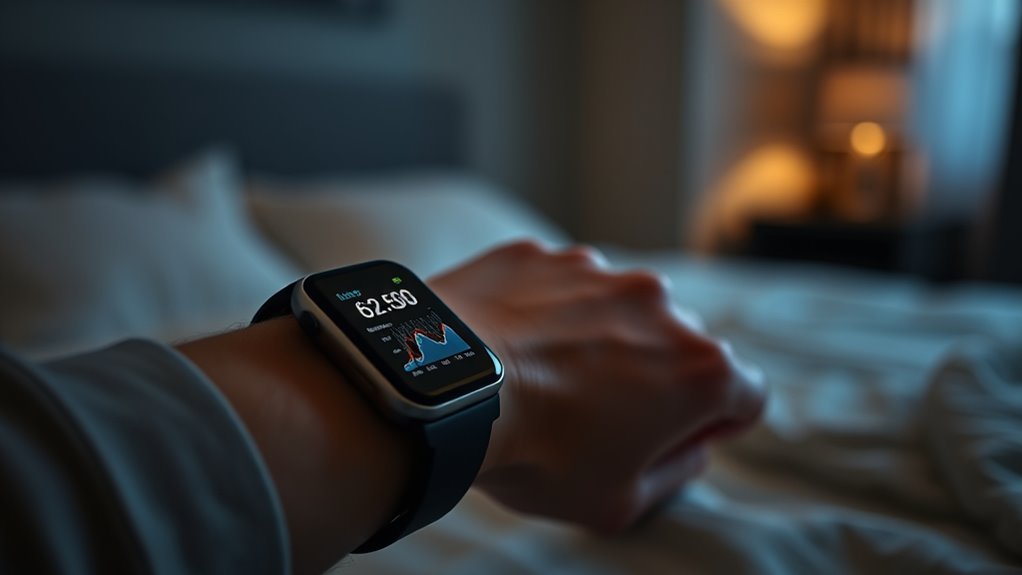
To make the most of your sleep data, start by understanding that these insights can guide healthier habits and improve your overall well-being. Use your data to refine sleep hygiene by establishing consistent bedtimes and minimizing screen time before sleep. Pay attention to patterns in your sleep stages and consider how factors like stress or diet impact your rest. Dream analysis can also offer clues about your emotional health; note recurring themes or vivid dreams that might signal underlying issues. Additionally, recognizing the role of sleep environment can help you create a more conducive space for restful sleep. Incorporating landscaping elements that promote a peaceful atmosphere can enhance your sleep quality. Monitoring your sleep consistency over time can help you identify trends and make informed adjustments. Understanding celebrity lifestyle insights can also inspire personalized ways to optimize your sleep surroundings and routines. Exploring sleep technology options, such as affordable devices and apps, can further assist in tracking and improving your sleep quality.
Frequently Asked Questions
Can Wearable Sleep Trackers Detect Sleep Disorders Effectively?
Wearable sleep trackers can help identify potential sleep disorders, but they aren’t a substitute for clinical diagnostics. They detect sleep patterns and disruptions, which may suggest issues like sleep apnea or insomnia. However, for accurate sleep disorder detection, you should consult a healthcare professional who may recommend a sleep study. Wearables serve as useful tools for monitoring, but they can’t reliably diagnose or replace professional evaluation.
How Do Different Brands Compare in Tracking Sleep Quality?
Different brands vary in tracking sleep quality, so you should compare their feature accuracy. Some brands, like Fitbit and Garmin, offer more reliable data due to advanced sensors and algorithms. When doing a feature comparison, look for sleep stage detection, heart rate monitoring, and user feedback. You’ll find that higher brand accuracy often correlates with more detailed insights, helping you understand your sleep patterns better and improve your sleep habits.
Do Sleep Trackers Work Well for Children or Elderly Users?
Think of sleep trackers as gentle lighthouse beams guiding you through foggy nights. For children, they can help monitor child sleep, but accuracy varies, so don’t rely solely on data. Elderly monitoring benefits from simpler devices, yet some trackers may miss subtle signs of sleep issues. Overall, they serve as helpful tools, but always combine them with medical advice for the best understanding of sleep health in children and seniors.
What Privacy Concerns Are Associated With Sleep Tracking Devices?
You should be aware that sleep tracking devices raise privacy concerns, especially around data encryption and third-party sharing. Your sleep data might not be fully protected if companies don’t use strong encryption methods. Additionally, some manufacturers share your data with third parties, which could lead to targeted advertising or other privacy issues. Always review privacy policies and settings to make certain your sleep information stays secure and private.
Are There Specific Activities or Habits That Skew Sleep Data Accuracy?
Certain activities and habits can skew your sleep data accuracy, especially if there’s data interference or device calibration issues. For example, excessive movement, sleep position changes, or using your device during the night can cause inaccuracies. Also, if your wearable isn’t properly calibrated or worn loosely, it may misinterpret signals. To improve accuracy, minimize movement, follow calibration instructions carefully, and make sure your device fits snugly overnight.
Conclusion
So, while wearable sleep trackers offer valuable insights, they’re not foolproof. They can guide you toward better sleep habits, but don’t rely on them entirely. As technology advances, the accuracy will improve, but surprises still lurk in the data. Are you truly getting the rest you need, or is there more beneath the surface? Keep questioning what your devices tell you — the truth about your sleep might be closer than you think.