At-home therapy devices can effectively provide relief, relaxation, and wellness benefits by using massage, heat, or electrical stimulation. They contain sensors and smart features that personalize treatments, but their effectiveness varies based on individual factors and proper use. While some benefits are supported by scientific research, others rely on user experience. To understand how these devices can work for you and explore future advances, keep exploring this helpful overview.
Listen free for 30 days with Audible
Thousands of audiobooks and originals — cancel anytime.
As an affiliate, we earn on qualifying purchases.
Key Takeaways
- Effectiveness varies; some devices provide modest relief supported by scientific studies, while others rely on placebo effects.
- Proper usage, maintenance, and realistic expectations are essential for achieving benefits from at-home therapy devices.
- Devices with FDA or reputable certifications are generally safer and more reliable for personal health management.
- User experiences highlight benefits like relaxation and improved sleep, but individual responses differ due to biological variability.
- Scientific evidence is mixed; it’s important to evaluate device claims critically and consult healthcare professionals when necessary.
As an affiliate, we earn on qualifying purchases.
What Are At-Home Therapy Devices?

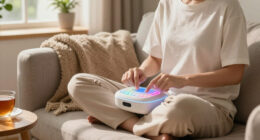
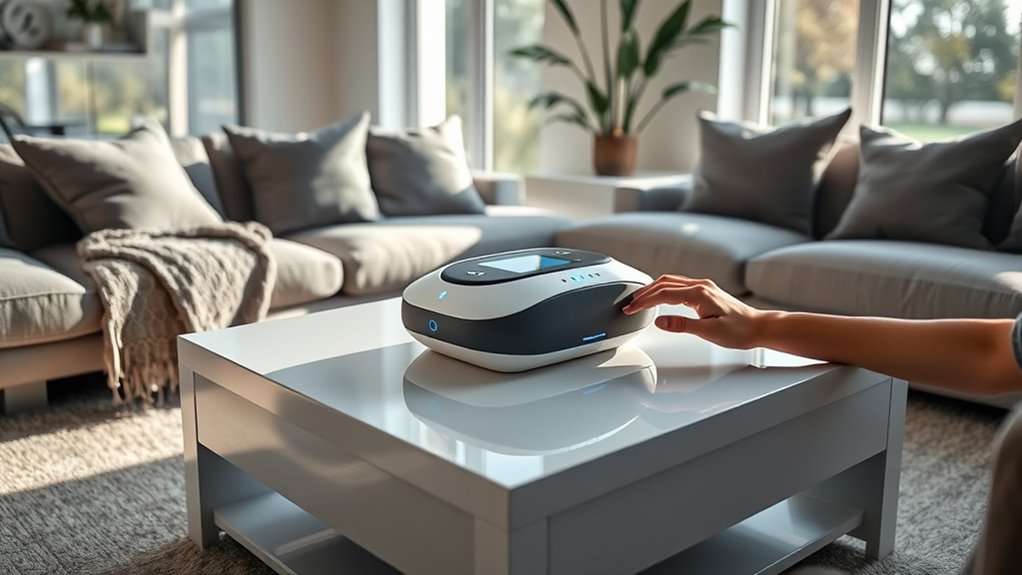
Have you ever wondered how you can bring professional therapy into your own home? At-home therapy devices are designed to help you do just that. These tools often use massage, heat, or electrical stimulation to promote muscle relaxation and reduce pain. For instance, handheld massagers target specific sore spots, easing tension and improving circulation. TENS units apply gentle electrical pulses to interrupt pain signals, providing relief without medication. Many devices are easy to operate and adapt to your routine, making daily self-care accessible. Whether you’re recovering from an injury or managing chronic discomfort, these devices support your wellness goals. They offer a convenient, cost-effective way to experience the benefits of professional therapy without leaving your house. Additionally, understanding home therapy technology can help you choose the right tools tailored to your needs. Exploring at-home wellness solutions can further enhance your self-care routine and maximize the benefits of these devices, especially as advancements in personal health devices continue to evolve. Incorporating self-care tools into your daily routine can also empower you to take control of your health in a proactive manner.
As an affiliate, we earn on qualifying purchases.
Types of Wellness Technology Available

There’s a wide variety of wellness technology designed to support your health and self-care routines. These devices range from massage guns and LED light therapy panels to biofeedback tools and wearable fitness trackers. Each type offers different benefits, but proper device maintenance is key to ensuring they work effectively over time. Regular cleaning and occasional calibration help prevent malfunctions and preserve accuracy, which is crucial for device performance. Many devices require regular cleaning and occasional calibration, so knowing how to care for them saves you money and prolongs their lifespan. User training is also essential; understanding how to operate your device correctly helps you maximize results and stay safe. Some devices come with detailed instructions or tutorials, while others may need guidance from professionals. Additionally, being aware of dark psychology tactics associated with some wellness devices can help you recognize potential manipulation or misinformation. Maintaining a device’s optimal performance through proper care ensures you get the most out of your investment. Staying informed about device maintenance and user training helps you incorporate these wellness tools confidently into your routine and avoid common pitfalls. For example, understanding the technology behind biofeedback tools can enhance your ability to interpret and use data effectively.
As an affiliate, we earn on qualifying purchases.
How Do These Devices Work?
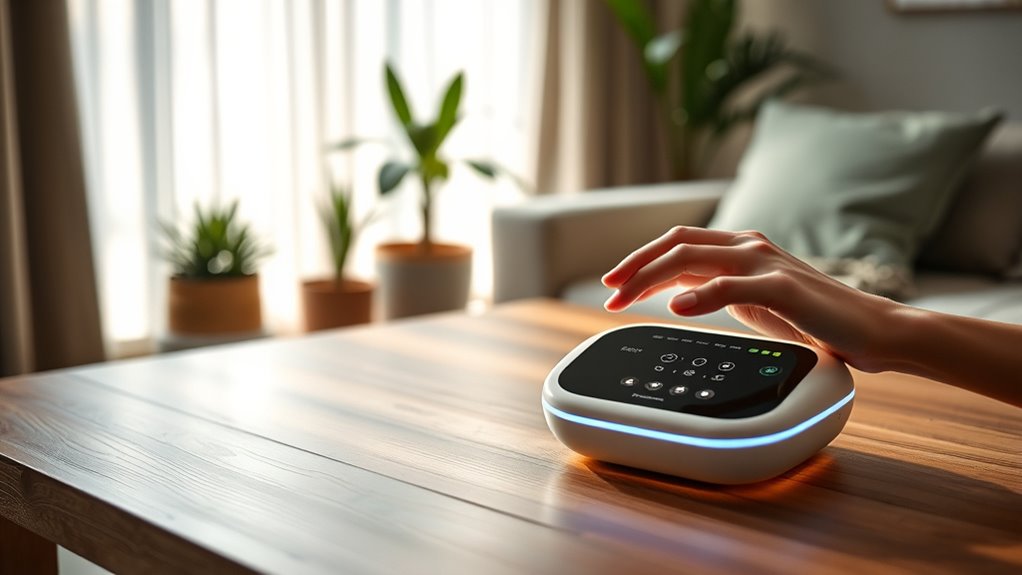
You might wonder how wellness devices operate and the technology behind them. These gadgets use sensors, algorithms, and sometimes AI to monitor your body and deliver targeted therapy. Different devices offer various therapy types, like massage, heat, or electrical stimulation, to support your health goals. Many home décor elements incorporate advanced technology to enhance comfort and functionality. Additionally, these devices often utilize smart technology to personalize treatments and improve effectiveness. Understanding outdoor wisdom principles can also help you choose the most effective and safe wellness tech options for your lifestyle. Incorporating technological integration can further optimize the benefits of these devices and ensure they align with your personal health needs. Recognizing connected device features can help you better utilize these tools within your overall wellness routine.
Technology Behind Devices
Devices in wellness technology rely on a combination of sensors, microprocessors, and wireless communication to monitor and transmit health data. Biomechanical engineering guarantees these devices accurately interpret body movements and responses. The user interface allows you to easily interact with the device and access real-time feedback. Here’s how it works:
- Sensors detect physical signals like muscle activity or pressure points.
- Microprocessors process this data, analyzing patterns relevant to your therapy.
- Wireless communication transmits information to your smartphone or cloud, enabling remote monitoring and personalized adjustments.
- Device calibration ensures that the device provides accurate and reliable measurements tailored to your individual body. Additionally, sensor accuracy is crucial for ensuring consistent and precise data collection over time. Advances in sensor technology continue to enhance the quality and reliability of wellness devices. Furthermore, ongoing research in biomechanical engineering helps improve device performance and responsiveness.
These components work seamlessly together, making therapy tailored and efficient. The integration of biomechanical engineering and an intuitive user interface empowers you to understand your progress and stay motivated throughout your wellness journey.
Types of Therapy Offered
Building on how wellness devices process data, these tools offer a variety of therapy options tailored to different needs. Sensor integration plays a key role, allowing the device to monitor your body’s responses in real-time. This data helps customize therapies like muscle stimulation, pain relief, or relaxation techniques. The user interface makes it easy for you to select and adjust therapy modes, ensuring a seamless experience. Some devices automatically adapt based on sensor feedback, optimizing effectiveness. Others let you manually control intensity, duration, and type of therapy. By combining sensor data with intuitive controls, these devices deliver targeted treatments that can complement your wellness routine. Additionally, understanding retirement planning strategies can help you allocate resources effectively to maintain your health and well-being in later years. Ultimately, they aim to provide personalized therapy options right from your home.
As an affiliate, we earn on qualifying purchases.
Scientific Evidence Supporting Their Effectiveness
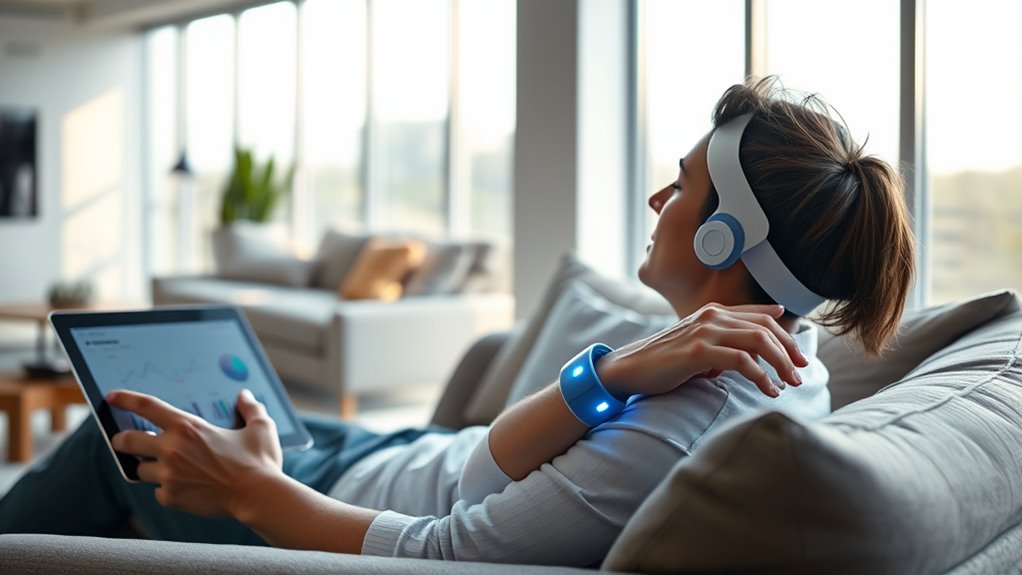
Is there solid scientific proof that wellness tech actually works? The evidence is mixed, often influenced by the placebo effect. While some studies show promising results, many rely heavily on user testimonials rather than rigorous trials. To evaluate effectiveness, consider these points:
Scientific proof for wellness tech is mixed; user stories often outshine rigorous evidence.
- Clinical trials often show modest improvements, but results can be skewed by the placebo effect.
- Scientific research supports some devices for specific issues, like muscle relaxation or pain relief.
- User testimonials frequently praise these devices, but personal stories don’t replace controlled scientific studies.
- Understanding the Youngster Choice phenomenon can help differentiate between proven benefits and anecdotal claims.
- Recognizing the influence of biological variability can clarify why individual responses to wellness devices vary widely.
- Incorporating designer aesthetics can impact user engagement and perception of a device’s effectiveness.
Common Benefits Reported by Users

Many users find that wellness tech helps them relax and reduce stress more easily. They often report a positive user experience, noting how devices make self-care routines more accessible and enjoyable. People commonly mention feeling calmer, more centered, and better able to manage daily pressures after using these at-home therapy tools. Improved sleep quality is another frequently shared benefit, contributing to overall well-being. User satisfaction tends to be high when devices deliver noticeable results without complicated setups. Users also appreciate the convenience of using wellness tech anytime, which encourages consistent self-care habits. Additionally, the integration of innovative wellness devices enhances the effectiveness of self-care routines, making it easier for users to achieve their health goals. The science behind these devices supports their ability to promote relaxation and health benefits, further strengthening their role in personal wellness. Overall, these benefits create a sense of empowerment and control over personal health, reinforcing the value of at-home therapy devices in enhancing daily wellness routines.
Limitations and Considerations
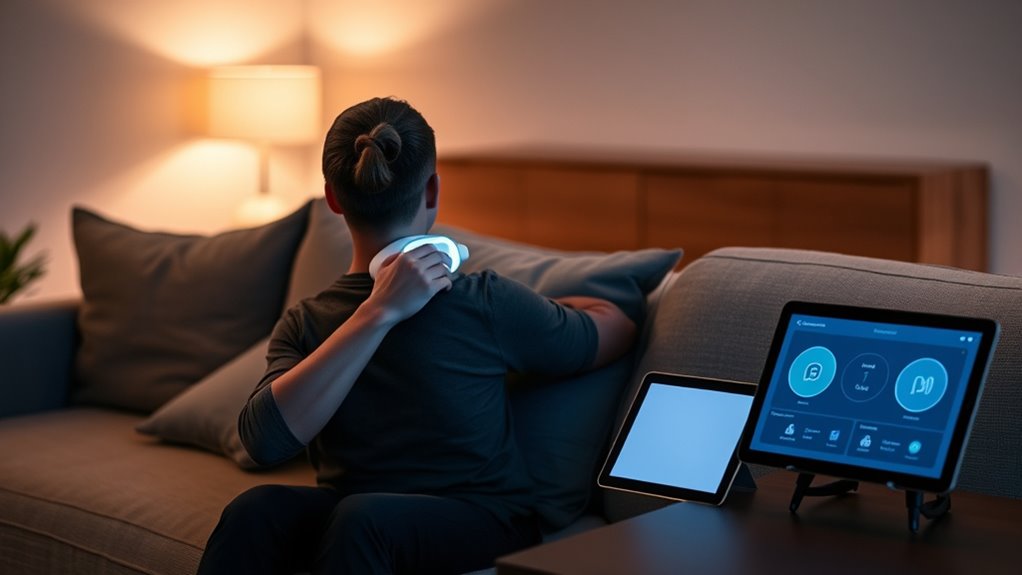
While wellness tech can be helpful, its effectiveness can vary based on individual factors and proper usage. You should also consider the costs and whether these tools are accessible to you. Ensuring you use them correctly is vital to getting the benefits you’re seeking.
Effectiveness Variability Factors
The effectiveness of wellness technology often varies because individual responses differ due to factors like genetics, lifestyle, and personal preferences. Your user experience plays a big role—if a device isn’t comfortable or easy to use, you’re less likely to stick with it. Additionally, device durability impacts long-term effectiveness; a device that wears out quickly or malfunctions can hinder consistent use. Consider these factors:
- Variations in how your body reacts to different therapies.
- The comfort and ease of using the device regularly.
- The device’s build quality and how well it withstands daily use.
Understanding these factors helps you set realistic expectations and choose devices that better suit your needs, ensuring you get the most out of your at-home wellness routines.
Cost and Accessibility Issues
Cost and accessibility can substantially limit your ability to incorporate wellness technology into your routine, especially if these devices are expensive or hard to locate. Many at-home therapy devices come with a high price tag, making them less accessible for some. Insurance coverage often doesn’t extend to these gadgets, leaving you to cover the full cost yourself. This lack of coverage can make technology affordability a major barrier. Additionally, availability can be limited depending on where you live, with some devices only sold through select retailers or online platforms. These factors mean you might need to weigh the potential benefits against the financial investment required. Before buying, consider whether the device fits within your budget and if it’s easily accessible to avoid frustration and ensure consistent use.
Proper Usage Importance
Using wellness technology effectively requires understanding its limitations and proper application. If you don’t, you risk compromising user comfort and damaging device durability. To guarantee safe and effective use, keep these points in mind:
- Follow manufacturer instructions carefully to prevent discomfort and attain optimal results.
- Adjust settings appropriately; improper use can lead to user discomfort or reduced device lifespan.
- Regularly inspect your device for wear and tear, which can affect both user comfort and its durability over time.
Ignoring these considerations may lead to ineffective therapy or device failure. Proper usage maximizes benefits while protecting your investment. Remember, understanding the device’s limits helps you avoid unnecessary risks and ensures your wellness routine remains safe and effective.
Comparing Professional Treatments and At-Home Devices
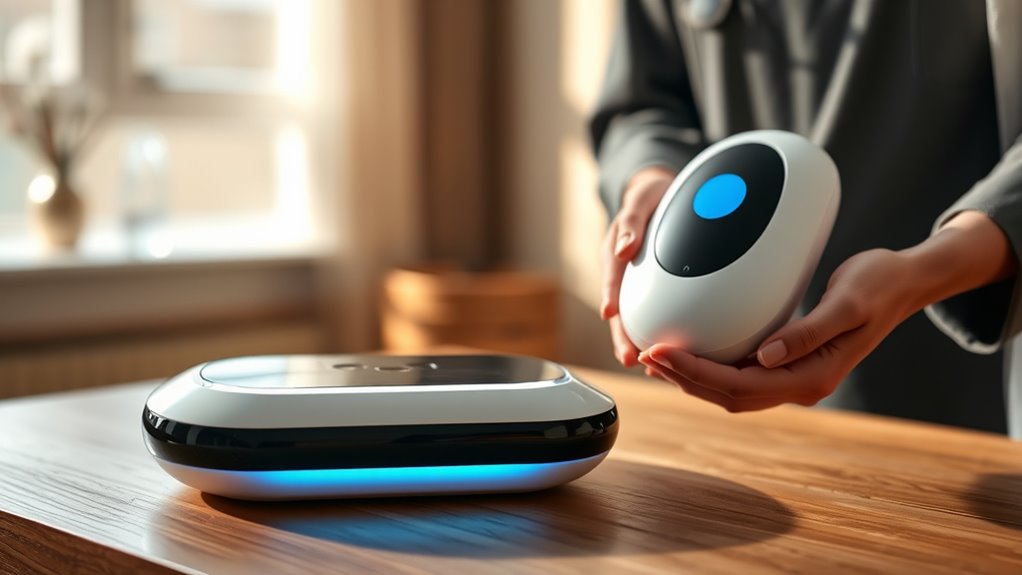
While professional treatments often deliver more immediate and noticeable results, at-home devices offer a convenient and cost-effective way to maintain your skincare routine regularly. They can support your mind-body connection by promoting relaxation and stress reduction, which are essential for overall wellness. Professional treatments typically use higher intensities and personalized approaches, making them more effective for specific concerns. However, at-home devices allow you to incorporate therapy into your daily routine without scheduling appointments or spending a lot. While they may take longer to show results, consistent use can complement professional care and help you manage stress, improve skin appearance, and foster a sense of well-being. Both options have their place, depending on your goals and lifestyle.
Factors to Consider Before Making a Purchase
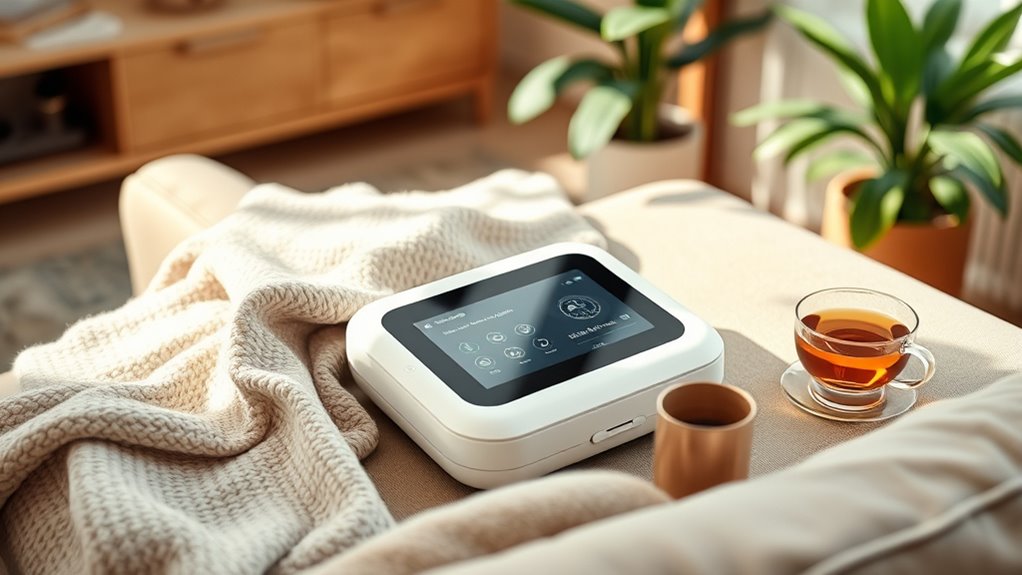
Before buying wellness tech, you should consider how well it actually works and what evidence supports its claims. Cost and accessibility are also important—can you afford it and get it easily? Don’t forget to verify safety features and whether it’s certified by reputable organizations to ensure it’s reliable and safe for use.
Effectiveness Evidence Needed
Have you ever wondered how to determine if a wellness device actually works? To assess its effectiveness, look for credible evidence. First, verify if the product has scientific studies or clinical trials backing its claims; beware of the placebo effect, which can trick your perception. Second, consider user experience—are reviews consistent, or do they vary widely? This can indicate genuine results versus anecdotal hype. Third, check if independent experts or organizations endorse the device. Remember, a device might seem effective due to your expectations or the placebo effect, so solid evidence is key. Ensuring these factors helps you make an informed decision, avoiding products that don’t deliver real benefits despite promising claims.
Cost and Accessibility
Considering the cost and accessibility of a wellness device is essential before making a purchase. Cost barriers can make these devices unreachable for many, especially if prices are high or not covered by insurance. Access disparities also play a role; some devices may only be available in certain regions or through specific retailers, limiting who can benefit. Before buying, assess your budget and consider whether the device offers good value for its cost. Check if financing options or discounts are available to ease the financial burden. Also, research local availability or online options to ensure you can easily obtain and maintain the device. Ignoring these factors could lead to wasted money or frustration if you can’t use the device as intended.
Safety and Certification
Are you aware of the safety standards and certifications that a wellness device should meet? Ensuring proper device safety is vital before making a purchase. Certifications help verify that a product meets the necessary certification standards, reducing potential risks. Here are key factors to consider:
- Check for FDA approval or clearance, indicating the device has been reviewed for safety and effectiveness.
- Look for certifications from reputable organizations like UL or CE, which test for device safety and reliability.
- Read reviews and manufacturer information to confirm adherence to safety standards and quality control processes.
Tips for Maximizing Benefits From Wellness Tech
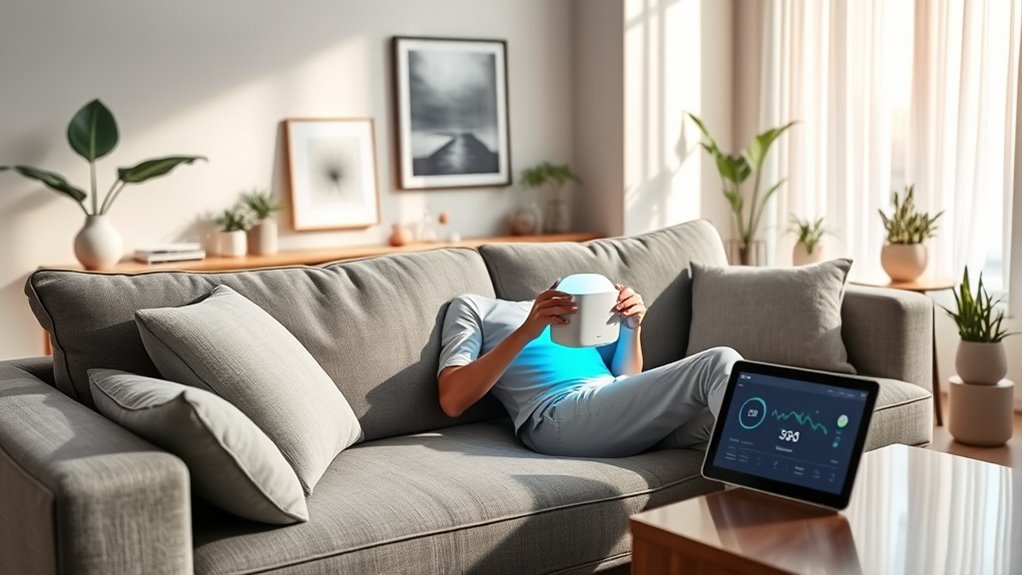
To get the most out of your wellness tech, start by setting clear, specific goals that align with your health priorities. Whether it’s improving sleep through sleep tracking or reducing stress with mindfulness meditation, define your objectives first. Regularly review your progress to stay motivated and adjust as needed. Incorporate daily habits that support your goals, like mindful breathing exercises or consistent sleep routines. Use your device’s features to track trends and identify patterns. Remember, consistency is key. To illustrate, consider this table:
| Goal | Tip |
|---|---|
| Better sleep | Use sleep tracking to identify disruptions |
| Stress reduction | Practice mindfulness meditation daily |
| Increased energy | Stick to a routine and monitor progress |
| Improved focus | Set reminders for breaks and mindfulness |
| Overall wellness | Consistent use enhances benefits |
Stay committed to maximize your wellness tech’s potential.
Future Trends in At-Home Therapy Devices
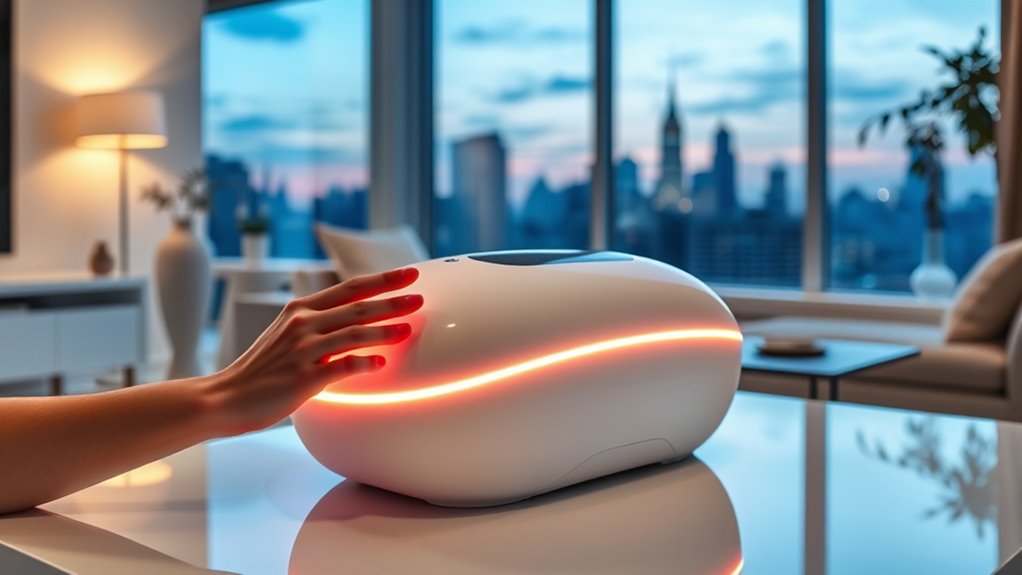
Advancements in wellness technology are paving the way for more sophisticated at-home therapy devices that cater directly to your mental and physical health needs. Future devices will likely emphasize enhanced personalization options, allowing you to customize settings based on your specific goals. Expect smart features that adapt in real-time to your responses, making therapy more effective. Additionally, device durability will improve, ensuring your investment lasts longer and withstands daily use. Here’s what to look forward to:
- Customizable programs tailored to your unique health profile
- Integration with wearable tech for seamless data sharing
- Enhanced build quality for longevity and consistent performance
These trends aim to make at-home therapy more reliable, personalized, and sustainable for your ongoing wellness journey.
Frequently Asked Questions
Are At-Home Therapy Devices Suitable for All Ages?
At-home therapy devices aren’t suitable for all ages, especially young children, due to safety concerns. You should prioritize child safety and consult a healthcare professional before use. Additionally, proper device maintenance is vital to guarantee effectiveness and safety. For kids, devices designed specifically for their age and needs are best, and you should always follow manufacturer guidelines and supervise use to prevent accidents or misuse.
How Long Does It Take to See Results?
Rome wasn’t built in a day, and neither will your results be overnight. Typically, you’ll notice some symptom improvement within a few weeks, but the effectiveness timeframe varies based on your condition and device used. Consistent use is key, and patience pays off. Stick with your routine, and you should see gradual progress, making your at-home therapy device a worthwhile investment in your wellness journey.
Can These Devices Replace Professional Therapy Entirely?
These devices can’t fully replace professional therapy because of their limited effectiveness and therapy limitations. While they may support your mental health journey and offer convenience, they lack the personalized approach and expert guidance that a trained therapist provides. You should view them as supplementary tools rather than substitutes for professional treatment, especially for complex or severe issues. Always consult a healthcare professional for holistic care.
What Safety Precautions Should I Follow?
Follow safety guidelines, read device instructions thoroughly, and consult your healthcare provider before use. Make certain device effectiveness by starting with low settings, monitoring your response, and avoiding overuse. Keep devices clean to prevent infections, and never use them on broken or irritated skin. Always use the device in a safe environment, stay aware of your body’s signals, and stop if you experience discomfort. Prioritizing safety helps maximize benefits and minimizes risks.
Are There Any Long-Term Risks Involved?
Long-term risks from at-home therapy devices are generally low, but you should stay aware of device durability issues that could lead to malfunctions. Poor user compliance might cause improper use, increasing potential risks. Regularly check the device’s condition and follow manufacturer instructions to mitigate any long-term concerns. Staying vigilant helps ensure safe, effective use, reducing the chance of adverse effects over time.
Conclusion
While at-home therapy devices may not replace professional care, they can gently complement your wellness journey. By choosing wisely and using them mindfully, you might find subtle yet meaningful improvements over time. Remember, consistency is key—think of these devices as quiet allies, supporting your path without rushing the process. With patience and the right approach, you can nurture your well-being naturally, allowing small steps to lead toward lasting harmony.
NFL season / tailgating Picks
team gear
As an affiliate, we earn on qualifying purchases.