
TL;DR

Get wellness gear delivered free with Prime
- Fast, free delivery on millions of items
- Prime Video, Amazon Music and more included
- Member-only deals all year
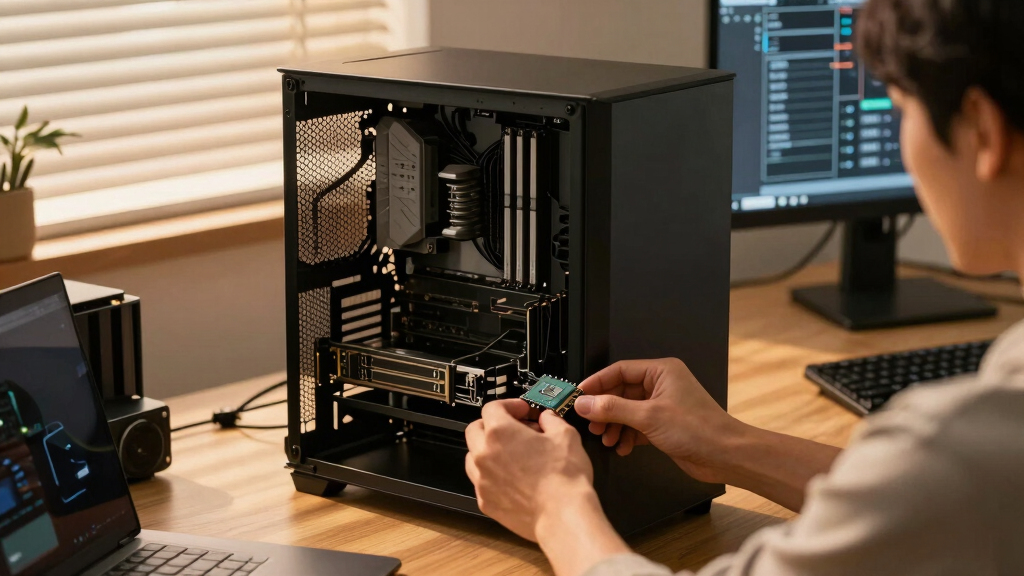
Meta has introduced a new server design that reuses older RAM modules through a custom bridge chip. This approach aims to cut costs and enhance resource efficiency, marking a shift in data center hardware strategies.
Meta has begun integrating reused RAM modules into its latest server infrastructure, employing a custom bridge chip to facilitate compatibility and performance. This development is confirmed by recent technical documentation and aims to optimize hardware utilization and reduce costs in Meta’s data centers.
According to technical disclosures, Meta is repurposing older RAM modules in its new server deployments. The key innovation is the use of a custom bridge chip designed specifically to interface with recycled RAM, allowing these modules to operate effectively within new hardware configurations.
Sources familiar with the project indicate that this approach is part of Meta’s broader strategy to improve resource efficiency and lower operational expenses. The reuse process involves testing and validating older RAM modules to ensure they meet performance standards before integration.
Meta has not disclosed specific quantities or the exact models of RAM being reused, but the initiative signals a shift toward more sustainable hardware practices in large-scale data centers.
Implications for Data Center Hardware Strategies
This move by Meta could influence industry standards for hardware reuse, potentially reducing e-waste and lowering costs for large-scale cloud providers. The custom bridge chip demonstrates an innovative approach to overcoming compatibility challenges associated with recycled components, which could be adopted by other companies seeking similar efficiencies.
It also highlights a growing emphasis on sustainability and cost management within the tech industry, especially as data center operations become more energy-intensive and expensive.
As an affiliate, we earn on qualifying purchases.
Meta’s Evolving Hardware Approach and Sustainability Goals
Meta has historically invested heavily in custom hardware to optimize data center performance. This latest development aligns with broader industry trends towards hardware recycling and sustainability. While the use of recycled components is not new, the integration of a dedicated bridge chip to enable this process marks a novel technical solution.
Previous reports have shown Meta’s interest in modular and upgradable server designs, but the explicit reuse of older RAM modules with custom interfacing hardware represents a significant innovation in this space.
“We are exploring innovative ways to improve hardware efficiency and sustainability through the reuse of existing components, enabled by custom-designed interface chips.”
— Meta spokesperson
As an affiliate, we earn on qualifying purchases.
Technical Performance and Reliability of Reused RAM
It is not yet clear how the recycled RAM modules perform under sustained workloads or how the custom bridge chip impacts overall system reliability and longevity. Details about testing procedures, failure rates, or long-term stability are still emerging.
Further technical validation and peer review are needed to assess whether this approach can be widely adopted without compromising system uptime or data integrity.
As an affiliate, we earn on qualifying purchases.
Next Steps in Deployment and Industry Adoption
Meta is expected to continue testing and deploying these servers at scale, with updates on performance metrics and reliability over the coming months. Industry observers will watch for whether other cloud providers adopt similar hardware reuse strategies, potentially influencing broader industry practices.
Further disclosures from Meta and independent evaluations will clarify the viability and benefits of this approach in operational environments.
As an affiliate, we earn on qualifying purchases.
Key Questions
Why is Meta reusing older RAM modules in new servers?
Meta aims to reduce hardware costs and minimize electronic waste by repurposing existing RAM modules, supported by a custom bridge chip to ensure compatibility and performance.
What is the role of the custom bridge chip?
The custom bridge chip interfaces with recycled RAM modules, enabling them to operate effectively within new server architectures despite differences from original configurations.
Does reusing RAM affect server performance or reliability?
It is currently unclear how recycled RAM performs under long-term, high-demand workloads. Meta is testing these systems to evaluate performance and reliability before broader deployment.
Could this approach be adopted by other companies?
If proven effective, Meta’s method could influence other cloud providers to pursue hardware reuse strategies, especially with custom interface solutions to address compatibility issues.
What are the environmental benefits of this strategy?
Reusing existing hardware components can reduce electronic waste and lower the environmental impact of data center operations, aligning with sustainability goals.
Source: hn
Halloween Picks
halloween
As an affiliate, we earn on qualifying purchases.