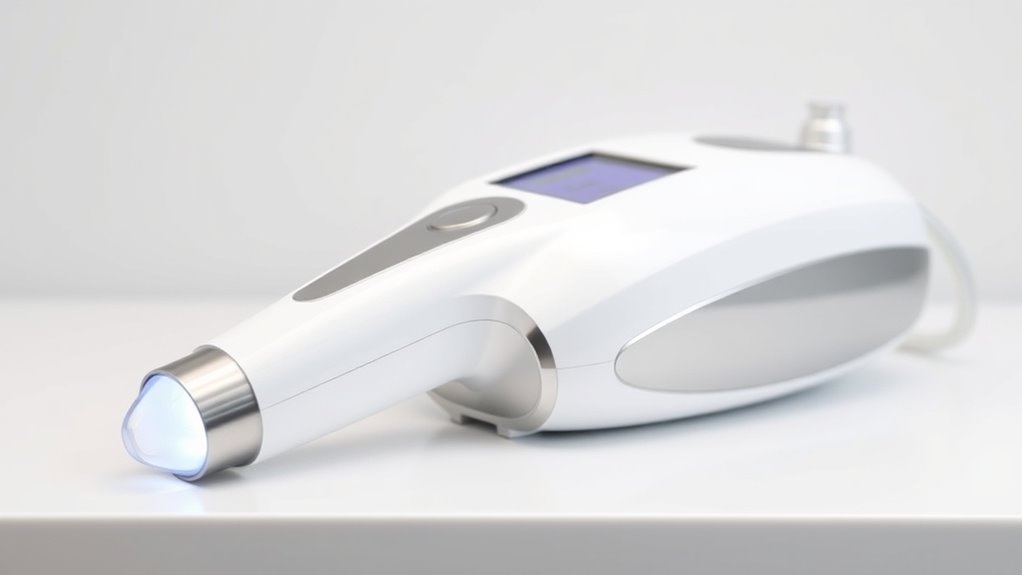

Ultrasonic cavitation devices can effectively target small fat pockets when used by qualified professionals, making them a popular non-invasive option for body contouring. When performed safely and correctly, they often deliver noticeable results with minimal discomfort and no downtime. However, individual outcomes vary, and multiple sessions may be needed. If you want to understand how it works and what to expect from this treatment, there’s more useful information to explore ahead.
Key Takeaways
- When performed by qualified professionals, ultrasonic cavitation is generally safe and effective for targeting small fat pockets.
- Results vary; multiple sessions are often needed, and it’s not a quick fix for significant weight loss.
- Proper safety protocols and choosing reputable clinics reduce risks like skin burns or nerve damage.
- It is usually more affordable and less invasive than surgical options like liposuction.
- Combining treatment with healthy lifestyle habits enhances results and ensures safer, more satisfactory outcomes.

Ultrasonic cavitation devices have become a popular non-invasive option for body contouring and fat reduction. Many people turn to these treatments because they promise to help slim down stubborn areas like the abdomen, thighs, and love handles without surgery. But before you decide to try it, it’s vital to understand the safety concerns and whether it’s a cost-effective solution for your goals.
Safety is often the first question that comes to mind. While ultrasonic cavitation is generally considered safe when performed by trained professionals, there are some risks involved. You might experience minor side effects like redness, swelling, or mild discomfort after treatment. More serious concerns, although rare, include skin burns or nerve damage if the device isn’t used properly. It’s crucial to ensure that you go to a reputable clinic with qualified practitioners who follow proper safety protocols. Avoid unregulated or unlicensed providers, as improperly administered treatments can increase risks. Also, if you have underlying health conditions, such as pregnancy, heart issues, or skin infections, it’s best to consult your doctor before proceeding, since these factors could complicate recovery or lead to adverse effects.
Ensure treatments are performed by qualified professionals to minimize risks and ensure safety.
When it comes to cost effectiveness, ultrasonic cavitation offers some advantages but also some limitations. Compared to surgical options like liposuction, it’s usually more affordable upfront. You might pay anywhere from a few hundred to over a thousand dollars per session, depending on the provider and the area being treated. However, because most people require multiple sessions to see noticeable results, these costs can add up quickly. It’s essential to weigh the expense against the potential benefits. While the procedure is less invasive and has shorter recovery times, it might not produce as dramatic or immediate results as surgery. Also, keep in mind that ultrasonic cavitation works best as a complement to a healthy lifestyle, including diet and exercise, rather than a standalone miracle cure.
Additionally, understanding the underlying mechanisms of action can help set realistic expectations about what the treatment can achieve. Ultimately, ultrasonic cavitation can be a safe and cost-effective way to target small pockets of fat if you’re realistic about its capabilities. It’s not a quick fix, and results vary from person to person. Make sure you do thorough research, consult with qualified professionals, and understand both the safety concerns and the financial commitment involved. When approached with proper expectations and precautions, ultrasonic cavitation can be a helpful tool in your body contouring journey, but it’s important to proceed thoughtfully and informed.
Frequently Asked Questions
Are Ultrasonic Cavitation Results Permanent or Temporary?
Your ultrasonic cavitation results are mostly temporary if you don’t maintain a healthy lifestyle. The procedure breaks down fat cells, but without proper diet and exercise, those cells can refill, making the effects fade. To achieve permanent results, you need consistent healthy habits. While some people see long-lasting improvements, most experience temporary effects that require ongoing effort to sustain the benefits.
How Many Sessions Are Typically Needed for Noticeable Fat Loss?
Typically, you’ll need about 6 to 8 sessions to see noticeable fat reduction. Sessions are usually scheduled 1 to 2 weeks apart, depending on your fat reduction timeline and individual goals. Consistency is key, so stick to the recommended session frequency. Keep in mind, results vary based on your body, lifestyle, and treatment plan, but most people start noticing changes after the third or fourth session.
Can Ultrasonic Cavitation Be Combined With Other Treatments?
Sure, ultrasonic cavitation can be combined with other treatments, and it’s often called combination therapies. Imagine achieving better results through treatment synergy—like a superhero team-up for fat reduction. You can pair cavitation with massage, radiofrequency, or cryolipolysis to boost effectiveness. Just remember, consult your specialist to guarantee safety and maximize those benefits, because who doesn’t want a more efficient, multi-pronged approach to body contouring?
Are There Any Long-Term Health Risks Associated With Ultrasonic Cavitation?
You might wonder about long-term safety when considering ultrasonic cavitation. There’s limited evidence of serious long-term health risks, but it’s wise to stay cautious. Regular health monitoring helps catch any issues early. To guarantee safety, consult with a qualified professional, follow recommended treatment protocols, and keep track of any changes in your health. Staying informed and vigilant can help you enjoy potential benefits while minimizing risks.
Is Ultrasonic Cavitation Effective on All Body Areas?
Think of ultrasonic cavitation as a versatile tool in your fitness toolkit. It’s effective on targeted body zones like the abdomen, thighs, and love handles, but it has treatment limitations on areas with thick skin or dense fat. You won’t get the same results everywhere, so understanding these boundaries helps you set realistic expectations. Focus on suitable zones, and you’ll see better results without disappointment.
Conclusion
So, while ultrasonic cavitation devices promise a magic wand to melt away fat, they’re more like a gentle breeze than a storm. Think of them as helpful guides on your journey, not the entire path. With patience and healthy habits, they can be a part of your toolkit. Just remember, no device alone can turn your body into a masterpiece overnight—you’re the artist, and your effort is the brush.