
You should avoid using at-home beauty devices when your skin is irritated, broken, or infected, as this can worsen conditions or cause infections. Skip devices if you have active skin issues, such as rashes, open wounds, or signs of infection, and wait until your skin heals. Sensitive or allergic skin may react badly, so be cautious if you notice discomfort. Also, consult your healthcare provider if you’re pregnant, nursing, or using certain medications. Knowing more can help keep your skin safe.
Key Takeaways
- Avoid using devices on irritated, broken, or inflamed skin to prevent worsening conditions or infections.
- Refrain from device use during active skin infections, sores, or rashes until fully healed.
- Do not use devices if you have sensitive or allergic skin reactions; test small areas first.
- Discontinue use when on medications or treatments that increase skin sensitivity or cause photosensitivity.
- Avoid devices during pregnancy or nursing unless approved by a healthcare professional.
When Your Skin Is Irritated or Broken

If your skin is irritated or broken, it’s best to avoid using at-home beauty devices altogether. Skin sensitivity increases when your skin is inflamed or compromised, making it more vulnerable to further damage. Using devices during this time can worsen irritation or cause infections. Check device compatibility before use—many devices are not suitable for sensitive or compromised skin. If you’re unsure, it’s safer to hold off until your skin heals completely. Continuing to use devices on irritated skin may lead to prolonged redness, increased discomfort, or scarring. Prioritize gentle skincare and give your skin time to recover. Additionally, understanding skin barrier repair can help you restore your skin’s protective functions before resuming treatment. When your skin is healing, it’s important to avoid at-home tech devices to prevent setbacks in your recovery process. Maintaining a gentle skincare routine during this period can support your skin’s healing process effectively. Being mindful of skin sensitivity can help you prevent further irritation and promote faster healing.
During Active Skin Conditions or Infections
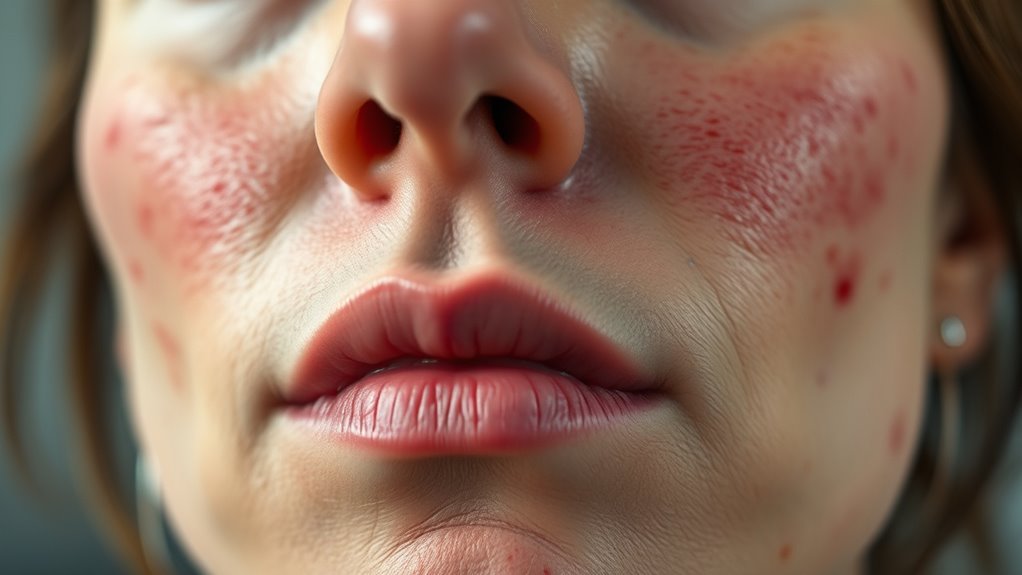
When you have active skin conditions or infections, using at-home beauty devices can worsen your situation and delay healing. It’s essential to seek professional consultation and get medical clearance before attempting any treatments. Otherwise, you risk aggravating the infection or inflaming your skin further. Additionally, using trusted businesses and services can help ensure you receive safe and effective care. Avoid device use if you notice: – Open wounds or sores – Redness or swelling – Pustules or oozing lesions – Active rashes or dermatitis – Signs of infection like pus or warmth. Maintaining proper hygiene and understanding skin healing processes can support your recovery and prevent complications. Using devices during these times can spread bacteria or viruses, making recovery harder. Proper hygiene practices can help minimize infection risk and promote healing. Recognizing infection symptoms early and consulting a healthcare professional can prevent further complications. Be aware that infection control measures are crucial to prevent the spread of germs during skin recovery. Always consult a healthcare professional to determine if your skin has healed enough for safe device use. Prioritize safety to prevent complications and ensure proper healing.
If You Have Sensitive or Allergic Skin Reactions

Having sensitive or allergic skin reactions means your skin can easily become irritated or inflamed, especially when exposed to certain devices. If you experience skin sensitivity, at-home beauty devices may increase your allergy risks and worsen reactions. Devices that emit heat, light, or vibrations can trigger itching, redness, or swelling in sensitive skin. It’s essential to assess whether your skin tolerates these treatments before trying them at home. Testing a small area first helps determine your skin’s response and avoid widespread irritation. If you notice any discomfort or adverse reactions, stop using the device immediately. Consulting a dermatologist is advisable to understand your skin’s unique needs and to choose safe, suitable options that won’t exacerbate your skin sensitivity or allergy risks. Additionally, understanding the Gold IRA markets and choosing reputable providers can ensure your investments are secure while you prioritize your skin health. Incorporating adaptive lighting features in your home can also help minimize overstimulation and support your skin’s circadian rhythms, further promoting skin health and overall well-being. Being aware of skin sensitivities and how different treatments affect your skin can make a significant difference in maintaining healthy skin and avoiding unnecessary discomfort. Recognizing the role of individual skin reactions can help tailor your skincare and treatment choices more effectively. Moreover, selecting devices with safety features can help reduce the likelihood of adverse reactions and protect sensitive skin during use.
When Using Certain Medications or Topical Treatments

Using certain medications or topical treatments can markedly impact how your skin responds to at-home beauty devices. Medication interactions may increase your risk of adverse reactions, while some treatments can make your skin more sensitive. Before using devices, consider these factors:
- Some medications heighten skin sensitivity, increasing risk of burns or irritation
- Topical treatments like retinoids or acids can weaken your skin barrier
- Photosensitizing drugs may cause harmful reactions when exposed to light
- Certain antibiotics can make skin more prone to damage
- Discontinuing medications without advice can lead to unpredictable responses
- The power output of your skin’s response can be affected by medications, influencing safety and effectiveness
- Proper device settings can help mitigate risks associated with medication-induced skin sensitivity
- Understanding the mechanics of skin response can help you tailor your device use for safety and optimal results
- Consulting with your healthcare provider about medication timing can help minimize adverse effects during treatment
- Recognizing individual skin sensitivities is crucial when combining treatments with at-home devices
Always check with your healthcare provider if you’re on medications or topical treatments. Understanding potential medication interactions and skin sensitivity helps prevent injury and ensures safe use of at-home beauty devices.
If You Are Pregnant or Nursing

If you’re pregnant or nursing, it’s essential to approach at-home beauty devices with caution. Your pregnancy safety and nursing precautions should come first, as some devices can affect hormone levels or skin sensitivity. For example, laser or intense pulsed light devices may pose risks, even if they seem safe. Always consult your healthcare provider before using any new device during pregnancy or breastfeeding. Certain treatments, like chemical exfoliants or devices that generate heat, might not be suitable and could transfer chemicals or heat to your baby. It’s better to err on the side of caution and avoid at-home beauty devices unless you get medical clearance. Prioritizing your health and your baby’s well-being ensures safe beauty routines during this sensitive time. Additionally, understanding proper ventilation considerations can help prevent potential respiratory issues from certain treatments.
Frequently Asked Questions
Can At-Home Devices Cause Long-Term Skin Damage?
Yes, at-home devices can cause long-term skin damage if you’re not careful. If the device isn’t properly calibrated or you use it on sensitive skin, you risk burns, scars, or pigmentation changes. Always follow the instructions carefully, test on a small area first, and consider your skin sensitivity. Regularly check the device’s calibration and avoid overuse to minimize potential long-term damage.
Are There Specific Signs That Indicate Device Misuse?
If your device starts acting like a stubborn mule—sparking, overheating, or shutting down unexpectedly—these are clear signs of misuse. You might notice uneven skin, redness, or irritation, hinting at improper cleaning or malfunction. These signs serve as red flags, warning you to stop immediately. Ignoring them could lead to skin damage. Always stay vigilant, and when in doubt, consult the user manual or a professional before continuing.
How Do I Know if My Skin Reacts Negatively?
If your skin reacts negatively, you’ll notice increased skin sensitivity, redness, or irritation after using the device. Watch for allergy symptoms like itching, swelling, or hives. If these signs appear, stop using the device immediately. Your skin should feel comfortable; if it doesn’t, it’s a clear indication to pause and consult a dermatologist. Always perform a patch test before full application to minimize adverse reactions.
Can I Use Devices on Recent Scars or Moles?
Using devices on recent scars or moles isn’t recommended, even if you’re enthusiastic to channel your inner Cleopatra. Scar tissue and moles can be sensitive and react badly to at-home treatments, risking infection or worsening. Always prioritize mole safety and consult a dermatologist before applying any device to these areas. Trust me, it’s better to be safe than sorry, especially with skin that’s still healing or delicate.
What Should I Do if I Experience an Adverse Reaction?
If you experience an adverse reaction, stop using the device immediately. Check if the device was properly calibrated and verify you followed all user training instructions. Rinse the affected area with cool water and avoid further irritation. If symptoms persist or worsen, consult a healthcare professional promptly. Always review your device’s calibration and training before resuming use to prevent future issues.
Conclusion
Remember, your skin’s safety is the top priority. If it’s irritated, inflamed, or infected, don’t jump into devices that could worsen the wound. When you’re pregnant, nursing, or on specific medications, pause and protect your skin’s peace. Prioritize your health over perfection, and play it safe by postponing treatments until your skin’s strong and steady. Stay smart, stay safe, and let your skin’s serenity shine through!