
Yes, you can overdo red light therapy if you exceed recommended session durations or frequency. Overexposure may cause skin irritation, redness, dryness, or eye discomfort. Long-term risks include potential damage to your skin or eyes from improper use. To stay safe, follow device guidelines, limit sessions to about 10-20 minutes, and watch for signs of irritation. Keep exploring to learn how to maximize benefits while minimizing risks effectively.
Key Takeaways
- Overuse can cause skin irritation, redness, dryness, or burning sensations post-treatment.
- Excessive sessions may lead to eye strain, discomfort, headaches, or blurred vision despite safety goggles.
- Prolonged or improper exposure might increase long-term risks like skin texture changes or pigmentation issues.
- Ignoring recommended session durations and device guidelines raises the chance of short-term and long-term harm.
- Monitoring skin and eye responses helps prevent overexposure and ensures safe, effective therapy.
How Red Light Therapy Works and Its Typical Uses
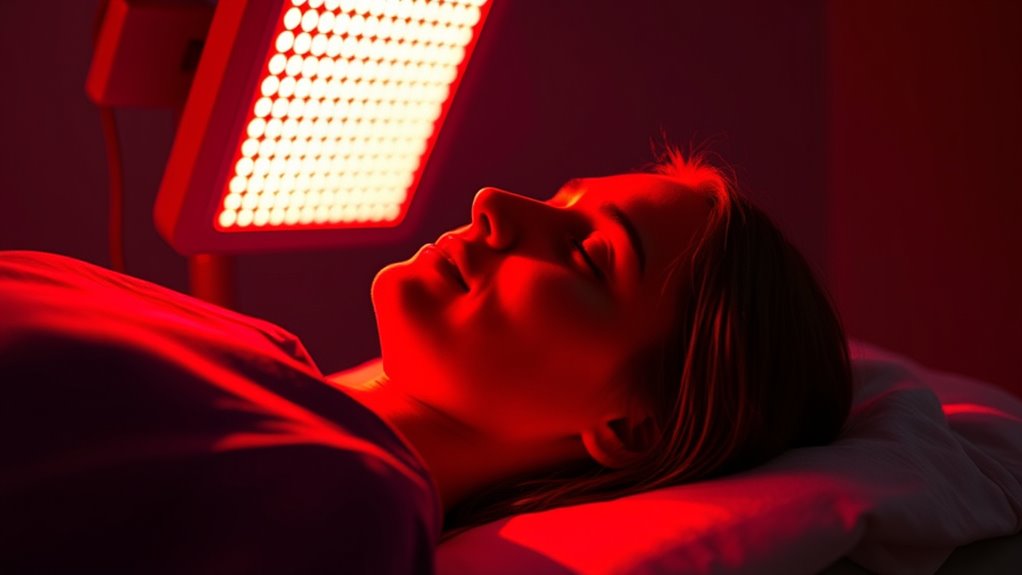
Red light therapy works by exposing your skin to low-level wavelengths of red or near-infrared light, which penetrate the skin and stimulate cellular activity. This process promotes healing, reduces inflammation, and supports skin rejuvenation. Additionally, the effectiveness of red light therapy can vary depending on individual skin sensitivity, which influences how well you tolerate the treatment. People with darker skin tones might experience different absorption levels due to melanin, which absorbs some of the light energy. This absorption can affect the therapy’s effectiveness, especially in areas with higher melanin concentration. Generally, red and near-infrared wavelengths are considered safe for most skin types, but understanding your skin’s sensitivity and melanin content helps ensure safe and effective treatment. Proper care and maintenance of your device can also help prevent overexposure and optimize results. Being aware of potential risks can help you avoid adverse effects when using red light therapy. To maximize safety, it’s also important to understand dosage guidelines and how they apply to your specific treatment needs. Additionally, adhering to manufacturer instructions can help prevent misuse and enhance safety during therapy. Always follow recommended guidelines to avoid potential overexposure.
Signs and Symptoms of Overexposure
While red light therapy is generally safe when used properly, overexposure can lead to noticeable signs and symptoms that indicate you’ve gone beyond safe limits. You might experience skin irritation, such as redness, dryness, or a burning sensation, especially after prolonged sessions. Eye strain is another common symptom, manifesting as discomfort, headaches, or blurred vision, even if you wear protective goggles. Additionally, understanding the importance of proper usage can help prevent overexposure and ensure safe treatment. It is also essential to be aware of your body’s reactions, as ignoring these signs can lead to increased discomfort and irritation. Recognizing session durations that are too long is crucial, as exceeding recommended times can increase the risk of adverse effects. Overexposure doesn’t usually cause long-term damage, but ignoring these symptoms can lead to increased discomfort and irritation. Paying attention to your body’s signals helps ensure safe and effective red light therapy sessions. Incorporating recommended session durations can further minimize the risk of adverse effects and promote optimal results.
Potential Short-Term and Long-Term Risks
Although red light therapy is generally safe, it can pose both short-term and long-term risks if not used properly. In the short term, you might experience increased skin sensitivity, leading to redness, irritation, or discomfort after sessions. Overuse can also cause temporary eye strain or dryness if eye safety measures aren’t followed. Proper device settings and usage timing are crucial to prevent such issues. Long-term risks are less common but could include potential damage to your skin or eyes if exposure is excessive or improperly monitored. Prolonged overexposure might lead to changes in skin texture or pigmentation. To minimize these risks, it’s essential to follow recommended exposure times and protect your eyes during treatments. Being aware of your skin’s response and maintaining eye safety can help you enjoy the benefits of red light therapy without adverse effects. Additionally, understanding your device specifications and adhering to manufacturer guidelines can further reduce the likelihood of harm. Regular monitoring of skin reactions can also help detect early signs of overexposure and prevent lasting damage. Recognizing the importance of appropriate exposure duration and the recommended usage frequency can also contribute to safer use practices.
Recommended Guidelines for Safe Usage

To guarantee safe and effective red light therapy sessions, it’s important to follow recommended guidelines carefully. First, verify your device is properly calibrated to deliver the correct wavelength and intensity, which helps prevent overexposure. Always adhere to recommended session durations, typically between 10 to 20 minutes, depending on your device and treatment area. Avoid exceeding the suggested time, as prolonged exposure can increase the risk of skin irritation or other side effects. Use the device at the appropriate distance from your skin, usually specified by the manufacturer. If you’re unsure about your device’s settings or session lengths, consult a healthcare professional. Following these guidelines helps maximize benefits while minimizing potential risks associated with overuse. Additionally, regularly checking and maintaining your device ensures consistent and safe performance, aligning with proper device maintenance practices. Being aware of exposure limits is crucial to prevent adverse effects from red light therapy. Proper user education on device operation can further reduce risks and improve treatment outcomes. Understanding potential side effects can help you recognize early signs of overexposure and take appropriate action. Moreover, staying informed about individual sensitivity can help tailor therapy to your personal needs and avoid unnecessary risks.
Tips for Maximizing Benefits While Minimizing Risks

Maximizing the benefits of red light therapy while minimizing risks requires a strategic approach. First, pay attention to frequency adjustments; avoid overdoing sessions by sticking to recommended durations and intervals. Consistency, not excess, ensures effective results without harm. Additionally, carefully select your device—choose one with proper wavelength and safety features designed for home use or clinical settings. High-quality devices often offer adjustable settings, allowing you to tailor treatments to your needs while reducing potential side effects. Always follow manufacturer guidelines and consult a healthcare professional if unsure. Being aware of device specifications can help you choose the safest and most effective options. Understanding light wavelength ranges is crucial for selecting devices that are both safe and effective. Incorporating knowledge of treatment protocols can further help in optimizing outcomes and avoiding overexposure. Regularly monitoring your responses and adjusting treatment frequency accordingly can prevent adverse effects and ensure sustainable results. By adjusting your session frequency and choosing the right device, you can optimize benefits safely and confidently, avoiding overexposure and ensuring a positive experience with red light therapy.
Frequently Asked Questions
Can Red Light Therapy Cause Skin Burns or Pigmentation Changes?
Red light therapy can cause skin burns or changes in skin pigmentation if used improperly or excessively. You might notice skin burns if the device is too close or used for too long, leading to redness or discomfort. Likewise, overuse can cause pigmentation changes, such as hyperpigmentation or hypopigmentation. To avoid these risks, follow device instructions carefully, limit session duration, and consult a professional if you’re unsure about safe usage.
Is Red Light Therapy Safe for Pregnant Women or Children?
Red light therapy is generally considered safe for pregnant women when used with pregnancy safety in mind, but you should always consult your doctor first. For children, it’s essential to follow child precautions, such as using lower intensities and shorter sessions. Always seek professional advice to guarantee proper safety measures, and avoid overusing it, especially during pregnancy or in young kids, to prevent any potential risks.
How Does Overexposure Affect Underlying Tissues or Organs?
If you overdo red light therapy, you risk causing serious tissue damage and organ stress that could feel like your insides are burning up. Excessive exposure can lead to inflammation, disrupt cellular functions, and even harm underlying tissues or organs, making you feel drained or unwell. Always follow recommended guidelines, because pushing too hard might turn a healing session into a painful, damaging ordeal.
Are There Any Drug Interactions With Red Light Therapy?
You should be aware that red light therapy generally has minimal drug interactions, but it’s crucial to prioritize medication safety. Some medications, especially photosensitive ones, can increase your skin’s sensitivity to light, potentially causing adverse reactions. Always consult your healthcare provider before starting red light therapy, especially if you’re on medication, to avoid any unintended drug interactions and ensure safe, effective treatment tailored to your needs.
Can Red Light Therapy Induce Eye Damage or Vision Issues?
Red light therapy can cause eye damage if you don’t prioritize ocular safety and eye protection. The intense light may harm your retina or cause vision issues if exposed directly without shields. Always wear proper eye protection and avoid staring directly into the light source. Neglecting these precautions could lead to serious, irreversible eye damage—so take safety seriously to protect your vision while enjoying the benefits of red light therapy.
Conclusion
Think of red light therapy as a gentle sunrise—powerful yet delicate. When you respect its limits, you invite renewal without shadow. Overexposure can dim that promise, turning light into shadows of risk. By following safe guidelines, you harness its true potential, illuminating your path to health. Remember, balance is your guiding star—embrace the light wisely, and it will lead you toward vibrant well-being without casting unnecessary darkness.