Electric muscle stimulation (EMS) can improve your blood flow by causing your muscles to contract rhythmically, which mimics natural movements. These contractions help push blood through your veins, reducing stagnation and delivering oxygen and nutrients more efficiently. Regular use can enhance circulation, promote tissue health, and support quicker recovery from activity. If you want to understand how EMS can benefit your circulation further, there’s more to discover below.

Get wellness gear delivered free with Prime
- Fast, free delivery on millions of items
- Prime Video, Amazon Music and more included
- Member-only deals all year
Key Takeaways
- EMS causes muscle contractions that mimic natural movements, promoting improved blood flow and circulation.
- Rhythmic muscle activity from EMS helps reduce blood pooling and enhances nutrient and oxygen delivery.
- Regular EMS use can support tissue health by accelerating waste removal and reducing muscle soreness.
- EMS is an effective adjunct therapy for circulatory issues, especially when used consistently on targeted areas.
- Combining EMS with healthy lifestyle practices can boost overall circulation and contribute to better well-being.
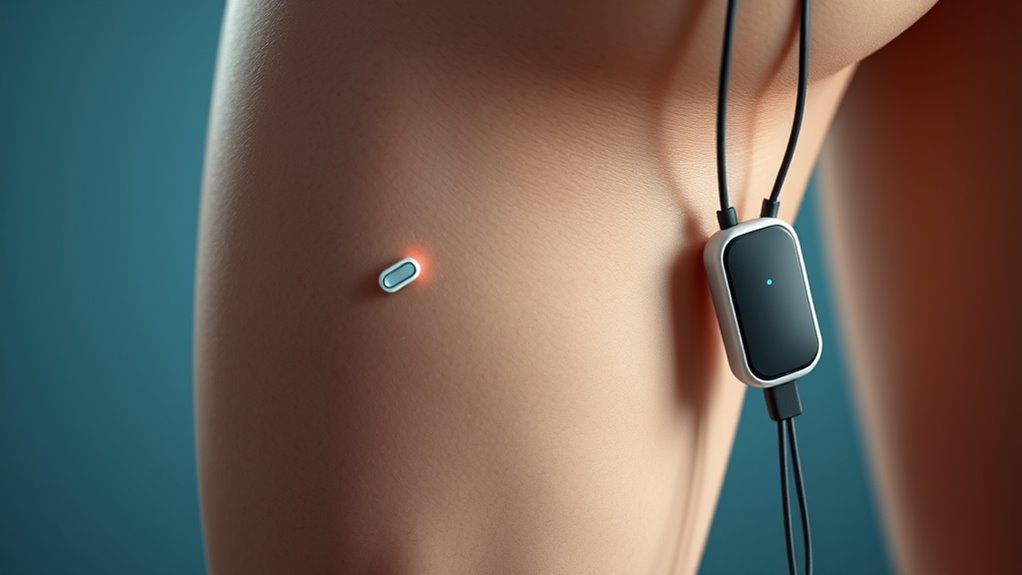
Electromagnetic muscle stimulation (EMS) is gaining popularity as a tool to improve blood circulation. When you use EMS devices, you’re applying electrical impulses that cause your muscles to contract, mimicking natural movements. This process isn’t just about toning muscles; it also promotes muscle relaxation and circulatory enhancement. As your muscles contract and relax rhythmically, blood flow increases, helping oxygen and nutrients reach tissues more efficiently. This can be especially beneficial if you spend long hours sitting or standing, where blood tends to pool in the lower limbs, leading to discomfort or swelling.
By stimulating muscles through EMS, you’re encouraging better circulation in a way that passive activities can’t match. The rhythmic muscle contractions help to push blood through your veins, reducing stagnation and improving overall blood flow. This increased circulation not only supports tissue health but also accelerates the removal of metabolic waste products. As a result, you may experience less fatigue and quicker recovery after physical activity. The muscle relaxation induced by EMS also prevents muscle tightness and soreness, making it easier for your body to maintain healthy circulation without discomfort.
EMS promotes better circulation, reduces fatigue, and prevents soreness through rhythmic muscle contractions and relaxation.
Using EMS regularly can lead to noticeable circulatory enhancement, especially if combined with a healthy lifestyle. The key is consistency—short sessions a few times a week can contribute to long-term improvements in blood flow. Many users report feeling a sense of increased vitality and reduced swelling after consistent use. EMS devices are designed to target specific muscle groups, allowing you to focus on areas where circulation might be sluggish, like the calves, thighs, or arms. This targeted approach helps ensure that you’re maximizing the benefits of muscle relaxation and circulatory enhancement simultaneously.
It’s important to understand that EMS isn’t a substitute for regular exercise, but it can complement your efforts to boost blood flow. When used correctly, EMS can serve as an effective adjunct therapy, especially if you’re recovering from injury or have circulatory issues. Always follow manufacturer instructions and consult with a healthcare professional if you have underlying health conditions. Incorporating EMS into your routine can help you achieve healthier blood circulation by promoting muscle relaxation and circulatory enhancement, ultimately supporting your overall well-being and physical health.
EMS muscle stimulator for blood circulation
As an affiliate, we earn on qualifying purchases.
As an affiliate, we earn on qualifying purchases.
Frequently Asked Questions
What Are the Potential Risks of Using EMS for Blood Flow?
Using EMS for blood flow can pose risks if device safety isn’t maintained. You might experience skin irritation, especially if electrodes aren’t properly placed or if you have sensitive skin. There’s also a risk of burns or electrical shocks if the device malfunctions. Always follow manufacturer guidelines, make certain of proper electrode placement, and consult with a healthcare professional before starting EMS therapy to minimize these risks.
How Long Should I Use EMS Devices for Optimal Results?
You should use EMS devices for about 15-20 minutes per session, ensuring proper device placement on target muscle groups. To achieve ideal results, start with shorter sessions and gradually increase as your body adapts. Always follow the manufacturer’s guidelines and consult a healthcare professional if you experience discomfort. Consistency is key, so aim for 3-4 sessions weekly to enhance blood flow effectively.
Can EMS Replace Traditional Blood Circulation Therapies?
EMS cannot fully replace traditional blood circulation therapies, but it can support your efforts. By stimulating muscle activation, EMS promotes circulation improvement, helping enhance blood flow in targeted areas. It’s a useful supplement, especially when combined with regular movement and medical treatments. However, for serious circulatory issues, always consult your healthcare provider to determine the best all-encompassing approach. EMS can boost your circulation, but it’s not a standalone solution.
Are There Specific Conditions That Prevent EMS Use?
About 20% of people with certain medical conditions should avoid EMS use. If you have contraindications like pregnancy, pacemakers, or severe skin infections, EMS might not be safe. Conditions such as deep vein thrombosis or recent surgery can also prevent its use. Always consult your healthcare provider before starting EMS therapy, especially if you have underlying medical conditions, to guarantee it’s safe and effective for you.
How Does EMS Compare to Other Circulation-Enhancing Treatments?
Compared to other circulation treatments, EMS actively stimulates muscle activation, which can boost blood flow more directly. While therapies like compression devices or medications work externally or chemically, EMS targets muscles to enhance circulation from within. You may notice quicker improvements in blood flow and muscle health with EMS, especially if you respond well to muscle stimulation. However, always consult a healthcare professional to determine the best treatment for your specific needs.
electric muscle stimulation device for circulation
As an affiliate, we earn on qualifying purchases.
As an affiliate, we earn on qualifying purchases.
Conclusion
Imagine your blood flowing like a lively river, energized and unstoppable. Using EMS is like sending gentle sparks along its banks, encouraging fresh waves of circulation to dance through your body. It’s a tool that can awaken your muscles and breathe new life into sluggish blood flow. With consistent use, you’re not just boosting circulation—you’re igniting a vibrant current that keeps your body thriving, like a flourishing garden in full bloom.
EMS therapy for circulation improvement
As an affiliate, we earn on qualifying purchases.
As an affiliate, we earn on qualifying purchases.
muscle stimulator for blood flow
As an affiliate, we earn on qualifying purchases.
As an affiliate, we earn on qualifying purchases.
Halloween Picks
halloween
As an affiliate, we earn on qualifying purchases.