
TL;DR
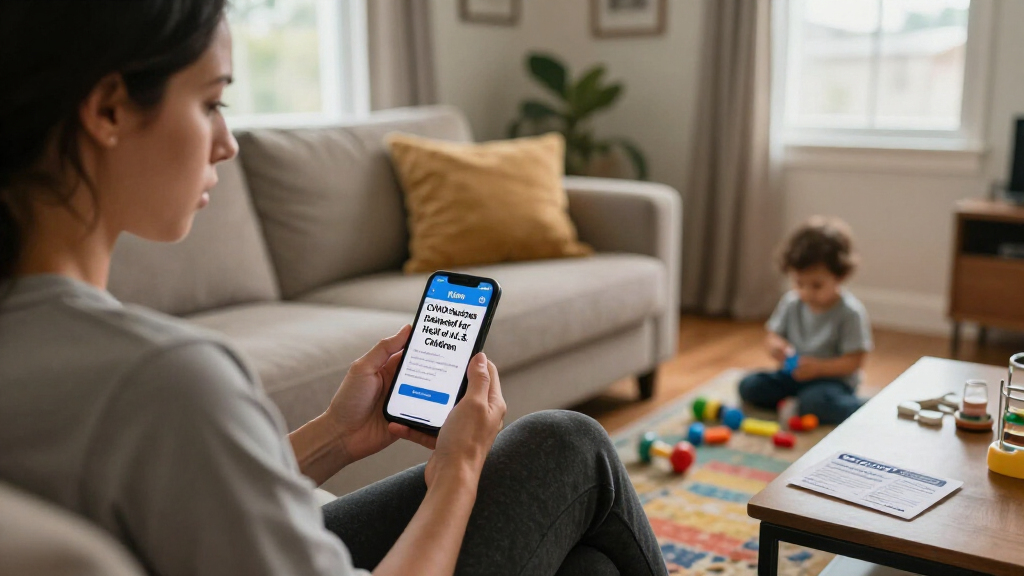
About half of U.S. children are currently experiencing delays in Covid vaccination schedules. This trend has raised concerns over potential impacts on public health efforts. The reasons for the delays are still being investigated, and officials are monitoring the situation closely.
Approximately half of children in the United States are experiencing delays in receiving Covid vaccinations, according to recent health data. This development comes as vaccination rates among children have become a focal point amid ongoing pandemic management efforts, raising concerns among public health officials and parents about potential impacts on community immunity and disease control.

Get wellness gear delivered free with Prime
- Fast, free delivery on millions of items
- Prime Video, Amazon Music and more included
- Member-only deals all year
Data collected from various health agencies suggest that around 50% of eligible children are not receiving their scheduled Covid vaccine doses on time. The delays are observed across multiple states and regions, with some areas reporting significantly lower vaccination rates compared to earlier in the year. Experts attribute these delays to a combination of factors, including vaccine supply issues, logistical challenges, and hesitancy among parents. While the exact causes are still under investigation, health officials emphasize that timely vaccination remains crucial for controlling Covid spread among children and preventing severe outcomes.
Officials from the Centers for Disease Control and Prevention (CDC) and state health departments have acknowledged the trend but have not yet provided specific explanations or comprehensive data on the scope and causes of the delays. Some local clinics have reported difficulties in securing sufficient vaccine supplies, while others cite parental reluctance due to safety concerns or misinformation. The delays are occurring despite ongoing public health campaigns aimed at increasing vaccination uptake among children.
Implications for Public Health and Community Immunity
The fact that about half of U.S. children are experiencing vaccination delays could have significant implications for public health efforts to control Covid-19. Reduced vaccination rates among children may hinder progress toward achieving community immunity, potentially prolonging the pandemic and increasing the risk of outbreaks. Experts warn that delays could also impact school safety and the ability to keep educational settings open without disruption. This trend underscores the importance of addressing barriers to vaccination and maintaining public trust in health measures.
Products Worth Considering

Bowflex SelectTech 840 Adjustable Kettlebell

Blueair Signature SP1i Smart Air Purifier

Withings Body Scan Smart Scale with Segmental Body Composition and ECG, Black
As an affiliate, we earn on qualifying purchases.
Recent Trends and Factors Influencing Child Vaccination Rates
Over the past year, vaccination rates among children have fluctuated due to various factors, including changing public perceptions, vaccine availability, and evolving guidance from health authorities. Earlier in the pandemic, vaccination efforts focused heavily on adults, but recent campaigns have aimed to increase uptake among children aged 5 and older. Despite these efforts, vaccination coverage remains uneven across states and communities. The current delays are part of a broader pattern of vaccine hesitancy and logistical hurdles that health officials have been working to overcome.
Previous surveys indicated that parental concerns about vaccine safety, misinformation, and access issues contribute to vaccination gaps. Some regions with higher socio-economic disparities report lower vaccination rates, highlighting ongoing inequities. While health authorities have promoted booster doses and updated guidance, the recent delays suggest that additional strategies may be needed to reach the remaining unvaccinated children.
Unclear Causes and Long-Term Impact of Delays
It is not yet clear what specific factors are driving the widespread delays, whether supply chain issues, parental hesitancy, or other logistical challenges. Officials have not provided detailed data, and investigations are ongoing. The long-term impact of these delays on Covid-19 transmission and community immunity remains uncertain, and experts caution that further analysis is needed to assess potential risks.
Monitoring and Addressing Vaccination Barriers
Health authorities plan to continue monitoring vaccination rates closely and are expected to implement targeted outreach to address barriers. Efforts may include increasing vaccine availability, public education campaigns, and community engagement to rebuild trust. Further data collection and analysis will clarify the causes of delays and inform strategies to improve vaccination coverage among children in the coming months.
Key Questions
Why are so many children experiencing delays in Covid vaccination?
The exact reasons are still being investigated, but potential factors include vaccine supply issues, logistical challenges, and parental hesitancy due to safety concerns or misinformation.
Could these delays affect the overall pandemic response?
Yes, delays in vaccinating children could hinder efforts to achieve community immunity, potentially prolonging the pandemic and increasing the risk of outbreaks, especially with circulating variants.
Are there specific regions more affected by these delays?
Preliminary reports suggest that delays are occurring across multiple states, with some areas experiencing more significant gaps, often correlated with socio-economic factors and healthcare access.
What is being done to address these delays?
Health agencies are monitoring the situation, investigating causes, and planning targeted outreach, including improving vaccine access and addressing misinformation to encourage timely vaccination.
When can parents expect improvements in vaccine availability and access?
Officials have not provided a specific timeline, but ongoing efforts aim to reduce delays within the coming months as investigations and outreach initiatives progress.
Source: rss