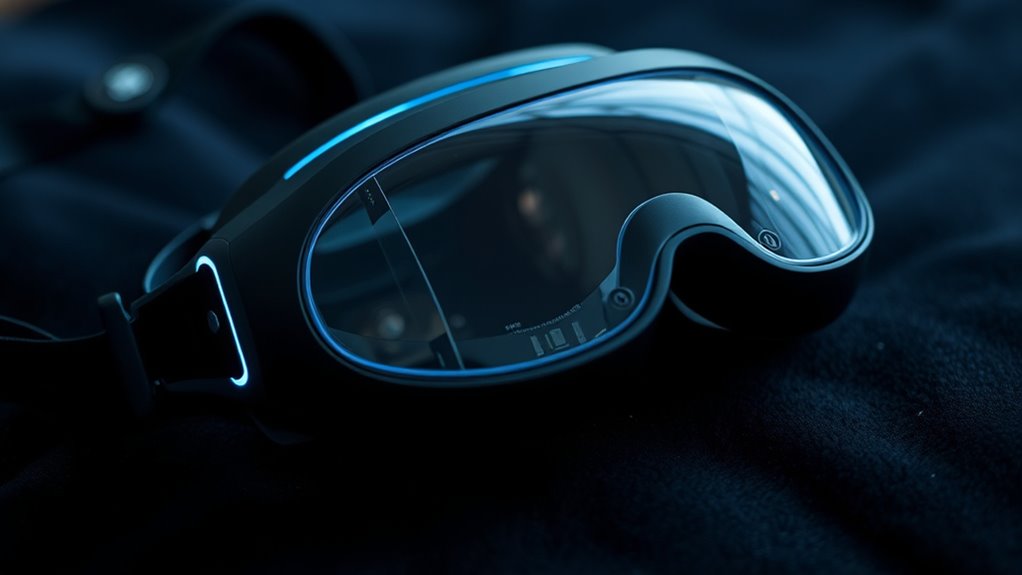

Lucid dreaming masks can help you control your dreams by detecting sleep patterns like eye movements and brain activity, then delivering subtle cues during REM sleep. These cues, such as light or sound, serve as reminders to question reality within your dreams. When synchronized properly with your sleep cycles, they can increase dream awareness and lucidity over time. To discover how to maximize their potential and incorporate effective techniques, keep exploring this topic.
Key Takeaways
- Lucid dreaming masks detect sleep patterns and deliver cues to prompt awareness during REM sleep.
- Proper synchronization with REM stages enhances the effectiveness of cues in controlling dreams.
- Consistent use and understanding of sleep cycles can improve the device’s ability to help induce lucid dreams.
- These devices serve as tools to increase dream awareness but require practice and good sleep hygiene.
- They can assist in controlling dreams when combined with conscious effort like reality testing.

Lucid dreaming masks are innovative devices designed to help you become aware that you’re dreaming while still in the dream state. They typically work by detecting specific sleep patterns and then triggering a subtle cue, like a light or sound, to alert you that you’re dreaming. This process hinges on your ability to perform reality testing—an essential technique in lucid dreaming. Reality testing involves checking whether you’re awake or dreaming, often by performing simple actions like trying to read text, checking if light switches work, or observing your surroundings for inconsistencies. When used consistently, a lucid dreaming mask can reinforce these reality checks during sleep, making it more likely you’ll recognize when you’re in a dream. Understanding your sleep cycles is vital when using a lucid dreaming mask. Sleep occurs in cycles, alternating between REM (Rapid Eye Movement) and non-REM stages. Most dreaming occurs during REM sleep, which happens several times throughout the night. These periods can last anywhere from a few minutes to over an hour, with the longest REM stages happening in the early morning hours. A good lucid dreaming mask is designed to synchronize its cues with these REM cycles, increasing the chances that you’ll receive a prompt during the dream state. If the device triggers during non-REM sleep, the cue might not be effective or could wake you up, disrupting your sleep. That’s why many masks incorporate sensors that monitor your eye movements and brain activity to pinpoint the critical moment for delivering their signals. Additionally, understanding your sleep architecture can help optimize the timing of cues for better results. Using a lucid dreaming mask requires some discipline and awareness of your sleep patterns. As you get accustomed to the device, you’ll start to associate its cues with the idea of reality testing. When you notice the light or sound during a dream, your mind may interpret it as a prompt to question whether you’re dreaming, therefore triggering lucidity. Over time, this can become a habit, making it easier for you to realize when you’re in a dream and even take control of it. Keep in mind that consistency is key. Wearing the mask nightly, maintaining good sleep hygiene, and practicing reality checks during the day can all enhance your chances of having lucid dreams. Ultimately, these devices serve as helpful tools in your journey toward more conscious and controlled dreaming experiences.
Frequently Asked Questions
Are Lucid Dreaming Masks Safe for Long-Term Use?
Yes, lucid dreaming masks are generally safe for long-term use if you follow instructions. Mask technology has improved, making user experience more comfortable and reducing risks. However, it’s wise to observe how your body reacts over time and consult a healthcare professional if you notice issues. Using the mask responsibly ensures you enjoy the benefits without adverse effects, making it a safe addition to your sleep routine.
Can Masks Improve Dream Vividness Over Time?
Ever wonder if masks can boost your dream intensity over time? They often do, enhancing sensory input and making your dreams more vivid. As you practice, your mind gets used to these cues, potentially deepening your sensory experiences. This can lead to more immersive, memorable dreams, encouraging greater vividness. So, yes, with consistent use, masks might help you experience richer, more intense dreams, elevating your lucid dreaming journey even further.
Do Masks Work Differently for Beginners Versus Experienced Dreamers?
Masks tend to work differently for beginners compared to experienced dreamers. As a beginner, you might experience an initial adjustment period, during which your dream recall improves and you learn to recognize dream cues. Experienced dreamers often use masks to deepen control and maintain vividness. Your familiarity with lucid dreaming techniques influences how effectively the mask helps, with beginners needing more time to adapt and develop confidence in their control.
Are There Any Side Effects From Using Lucid Dreaming Masks?
Using lucid dreaming masks can sometimes cause side effects like eye strain from prolonged use or discomfort. Some users report experiencing sleep paralysis, especially if the device disrupts your natural sleep cycle. To minimize these issues, follow the manufacturer’s guidelines carefully, take breaks, and avoid overusing the mask. If you notice persistent problems like sleep paralysis or eye discomfort, consult a healthcare professional before continuing use.
How Do Masks Differ From Other Lucid Dreaming Techniques?
You’ll find that lucid dreaming masks differ from other techniques mainly through visual detection, which triggers awareness during REM sleep. Unlike methods like reality checks or meditation, masks actively monitor your sleep and provide cues, helping you realize you’re dreaming. However, they can sometimes cause sleep interference, making it harder to reach deep, restorative sleep. So, while effective, they require consistent use and may impact your sleep quality.
Conclusion
So, next time you’re tired of plain old dreams, why not don a lucid dreaming mask? Who knew that a device could turn your nightly snoozefest into a personal circus? Maybe soon, we’ll have masks that not only control dreams but make breakfast in bed too. Until then, enjoy the surreal ride—just don’t forget to wake up before you start negotiating with that talking pineapple. Sweet dreams, or should I say, high-tech nightmares?